

On this page
If you have researched non-surgical ways to firm a softening jawline, you have almost certainly come across the term SMAS lifting. In Korea, SMAS lifting most often refers to Ultherapy, a micro-focused ultrasound treatment that reaches the same deep foundation layer a plastic surgeon tightens during a surgical facelift — without a single incision. This guide explains what the SMAS layer actually is, how Ultherapy targets it, and how SMAS-focused ultrasound differs from HIFU body devices, radiofrequency, and thread lifting so you can decide with realistic expectations.
What Is the SMAS Layer, and What Is SMAS Lifting?
SMAS stands for the Superficial Musculoaponeurotic System — a continuous sheet of fibrous and muscular tissue that sits beneath the skin and fat, wrapping around the facial muscles. It is the structural "hammock" that holds the mid-face and jawline in position. As collagen and elastin decline with age, the SMAS loosens, and the face descends: jowls form, the jawline blurs, and folds around the mouth deepen.
During a surgical facelift, a surgeon lifts and re-anchors this exact SMAS layer. SMAS lifting with Ultherapy aims at the same target non-surgically, using focused ultrasound energy to create tiny thermal coagulation points deep in the tissue. Those points trigger a natural wound-healing and neocollagenesis response, so the SMAS contracts and remodels over the following months. It is best understood as a non-surgical facelift alternative for people who want lifting and firming, not a replacement for surgery in cases of significant sagging.
How Ultherapy Targets the SMAS Layer
What makes Ultherapy distinctive among lifting treatments is depth precision. It uses micro-focused ultrasound with visualization (MFU-V), meaning the practitioner can see the tissue layers on ultrasound imaging before delivering energy. Different transducers deliver heat at fixed depths — typically around 4.5 mm to reach the SMAS, 3.0 mm for the dermis, and shallower depths for fine surface tissue.
Because the energy is focused rather than bulk-heated, it can deposit thermal coagulation points precisely at the SMAS while leaving the surface of the skin intact. This is the core reason Ultherapy is positioned as a SMAS-targeting treatment rather than a general skin-tightening device. At HERA, practitioners map the treatment zones to each face, adjusting depth and density along the jawline, cheeks, and under the chin. You can see how this structured, imaging-guided approach works on our AI Mapping Ultherapy page.
The Biology Behind the Lift: Coagulation Points and Collagen Remodeling
To understand why SMAS lifting works gradually, it helps to look at what actually happens in the tissue. Each pulse of micro-focused ultrasound raises the temperature at its focal point to roughly 60–70 °C for a fraction of a second, creating a discrete thermal coagulation point only a fraction of a millimetre across. Crucially, the tissue immediately above and below each point is spared, so the skin surface stays intact while hundreds of these micro-coagulation zones are placed in a precise grid at the SMAS and dermal depths.
The body reads each coagulation point as a small, controlled injury and launches a wound-healing cascade: inflammatory signalling in the first days, followed by fibroblast activation and the synthesis of new type I and type III collagen over the following weeks. As this fresh collagen matures and cross-links, the treated tissue contracts and thickens — which is why lifting builds over two to three months rather than appearing overnight. It also explains why aggressive over-treatment does not simply mean "more lift": the outcome depends on your own healing biology, not on the amount of energy alone. That is the honest reason a trained practitioner tailors line count and depth to each face instead of applying a single fixed protocol.
SMAS Ultrasound vs HIFU, Thermage, and Thread Lifting
Several treatments are marketed under the broad "lifting" umbrella, but they work at different layers and in different ways. Understanding the distinction helps you choose — and often they are combined.
| Treatment | Energy / method | Main target | Best for |
|---|---|---|---|
| SMAS lifting (Ultherapy) | Micro-focused ultrasound (MFU-V) | SMAS layer (~4.5 mm) & dermis | Deep foundational lifting, jawline definition |
| HIFU devices (e.g. Shrink) | High-intensity focused ultrasound | SMAS & deep dermis | Broader, value-focused tightening sessions |
| Thermage | Monopolar radiofrequency | Dermis (collagen) | Skin-surface tightening & texture |
| Thread lifting | Absorbable barbed sutures | Subcutaneous tissue | Immediate mechanical repositioning |
The key difference: Ultherapy is defined by its ability to reach the SMAS with visualization, which is why this article frames it as a SMAS treatment rather than a generic HIFU. HIFU platforms such as Shrink also use focused ultrasound and can reach deep layers, but are often chosen for broader, session-friendly tightening. Thermage uses radiofrequency and works mainly on the dermis to tighten the skin envelope and improve texture — a different layer than the SMAS. Thread lifting physically repositions tissue for a more immediate mechanical lift. Because these methods act on different depths, many patients combine ultrasound with radiofrequency or threads; HERA's Premium Lift Combo is designed around exactly this layered logic. Results and the right combination vary from person to person, so an in-person assessment matters.
Who Is a Good Candidate for SMAS Lifting?
SMAS-focused ultrasound tends to suit people with early to moderate laxity — a jawline that is beginning to soften, mild jowling, or a "tired" mid-face — who prefer a non-surgical route with little to no downtime. It is popular with patients in their 30s to 50s, and as a maintenance treatment for those who want to slow visible descent.
It is not a substitute for surgery when there is significant, heavy sagging or a large amount of excess skin; in those cases a surgical facelift usually gives more decisive results. Individual factors — skin thickness, fat distribution, bone structure, and age — all influence the outcome, which is why a candid consultation is the honest starting point rather than a fixed promise of results.
Does It Hurt? Sessions, Pain, and Downtime
Honesty matters here. Because Ultherapy deposits heat deep at the SMAS, most people feel brief pulses of heat or a deep prickling sensation as energy is delivered, especially over bonier areas. Comfort is managed with topical numbing, cooling, and adjustable settings, and sensation ends when the pulse ends. Discomfort levels differ significantly between individuals.
One of the biggest practical advantages is minimal downtime: most people return to normal activities the same day. Temporary redness, mild swelling, tenderness, or (less commonly) small areas of numbness or bruising can occur and typically settle within days to a couple of weeks. A single session is common, with intervals guided by your response. As with any energy-based procedure, rare side effects are possible, which is why treatment should be performed by trained medical staff who assess your face first.
When Will I See Results — and How Long Do They Last?
SMAS lifting is a gradual, collagen-driven treatment, not an instant fix. Some people notice a subtle initial tightening, but the meaningful lifting and firming develop as new collagen forms — usually over 2 to 3 months, with continued improvement up to around six months. Because it works with your body's own remodeling, results look natural rather than "pulled."
Longevity depends on your skin, age, and lifestyle, but many patients maintain results for roughly a year or more and repeat treatment periodically to offset ongoing aging. Sun protection, good skincare, and a healthy lifestyle help preserve the effect. No clinic can guarantee a fixed outcome — results genuinely vary.
Ultherapy Price in Korea and What to Expect at Consultation
Ultherapy pricing in Korea is usually based on the number of ultrasound lines (shots) delivered and the areas treated — for example full face, lower face and jawline only, or the neck. Because plans are individualized, a meaningful quote comes only after an in-person assessment; published ranges are indicative, not a final price. At HERA, pricing is transparent and identical for local and international patients — there is no different rate based on nationality.
A good consultation should explain which layers your treatment targets, how many lines are recommended and why, realistic expectations, and honest information about sensation and possible side effects. You can browse the full range of ultrasound, radiofrequency, and thread options on HERA's Lifting Treatments overview, then confirm the right plan with a clinician.
Visiting HERA in Gangnam
Consultation and booking. HERA is located in Gangnam, Seoul’s clinical hub for aesthetic medicine, and international visitors can arrange a consultation in advance so that assessment and treatment often happen on the same visit. Because an Ultherapy plan is only finalised after a clinician examines your face, the consultation is where line count, depth, and target zones are decided — not something that can be fully quoted online beforehand.
Interpretation and communication. Language support is available so the consultation is genuinely two-way: you should be able to explain your concerns and understand the recommended plan, the expected sensation, and possible side effects in your own language before consenting to anything. If any part of the plan is unclear, it is completely reasonable to ask for it to be explained again.
How long to stay. A practical advantage of SMAS lifting for travellers is its minimal downtime — most people return to normal activities the same day, so it fits comfortably into a short Seoul itinerary. Even so, allow time for the consultation itself, and remember that the visible lifting develops over the following two to three months at home, not during your trip.
Aftercare while travelling. Because the skin surface is left intact, aftercare is straightforward: temporary redness, mild swelling, or tenderness usually settle within days. Sun protection matters, which is worth planning around if the rest of your trip involves long stretches outdoors. You should be told clearly what is normal and what warrants follow-up, and responsible care means you can still reach the clinic with questions after you leave.
Combining treatments and transparent pricing. Since ultrasound, radiofrequency, and threads act on different layers, some visitors combine treatments in a single trip — but whether that is appropriate is a clinical decision made at consultation, not a package designed to maximise spend. Pricing at HERA is transparent and identical for local and international patients, with no nationality-based rate, and payment methods can be confirmed when you book. As always, the honest position is that suitability and results vary between individuals, so the in-person assessment — not a fixed online promise — is where your real plan takes shape.
This article is general information, not medical advice. Suitability, results, and side effects vary between individuals — please consult a qualified clinician before any treatment.
FAQ
Frequently asked questions
Q1What is SMAS lifting?
SMAS lifting targets the Superficial Musculoaponeurotic System (SMAS) — the deep fibrous-muscular layer that supports the face and the same layer a surgical facelift tightens. In Korea it usually refers to Ultherapy, which reaches the SMAS with focused ultrasound, without incisions.Q2Is SMAS lifting the same as HIFU?
Ultherapy is a form of focused ultrasound, but it is defined by micro-focused ultrasound with visualization (MFU-V) that lets the practitioner see and precisely heat the SMAS at fixed depths. Other HIFU devices also reach deep layers but are often chosen for broader, value-focused tightening; the right choice depends on your face and goals.Q3How is Ultherapy different from Thermage and thread lifting?
Ultherapy uses ultrasound to target the deep SMAS layer, Thermage uses radiofrequency mainly on the dermis to tighten the skin surface, and thread lifting mechanically repositions tissue with absorbable sutures. Because they act on different depths, they are frequently combined.Q4How much does Ultherapy cost in Korea, and does it hurt?
Pricing is usually based on the number of ultrasound lines and areas treated, so an accurate quote follows an in-person assessment. At HERA the price is transparent and the same for local and international patients. Most people feel brief deep heat during delivery, managed with numbing and cooling; sensation varies between individuals.Q5When will I see results and how long do they last?
SMAS lifting works gradually as new collagen forms, with meaningful firming usually developing over 2 to 3 months and improving up to about six months. Many patients maintain results for roughly a year or more and repeat periodically. Results vary by individual and cannot be guaranteed.
HERA Journal
Keep reading
 Lifting
Thermage FLX in Korea: A Complete Guide
What Thermage FLX in Korea really involves — how it works, who it suits, what's included, recovery, and what shapes the cost.
8 minRead → Lifting
Shrink Lifting in Korea: A Patient Guide
What Shrink lifting in Korea actually does, who it suits, downtime, and how HERA in Gangnam prices it the same for locals and visitors.
8 minRead → Injectables
Fat Dissolving Injections in Korea: A Guide
What fat dissolving injections can and can't do, who they suit, downtime, and how a treatment is planned for international patients in Gangnam, Seoul.
8 minRead →
YouTubeで
YouTube動画
医療チームによる解説動画——タップで再生。
あなたの医療チーム
あなたに寄り添う医療チーム
カウンセリングを担当した院長が、そのまま執刀いたします。形成外科専門医24名を含む総勢40名の医療チームと、常勤の麻酔科専門医9名が、カウンセリングから術後まで1対1で担当します。効果には個人差があります。

グ・ヒョングク
美容外科
- 大韓整形外科学会 終身会員
- 大韓美容整形学会 正会員
- 国際美容整形学会(IPRAS) 正会員
- 大韓乳房整形研究会 会員
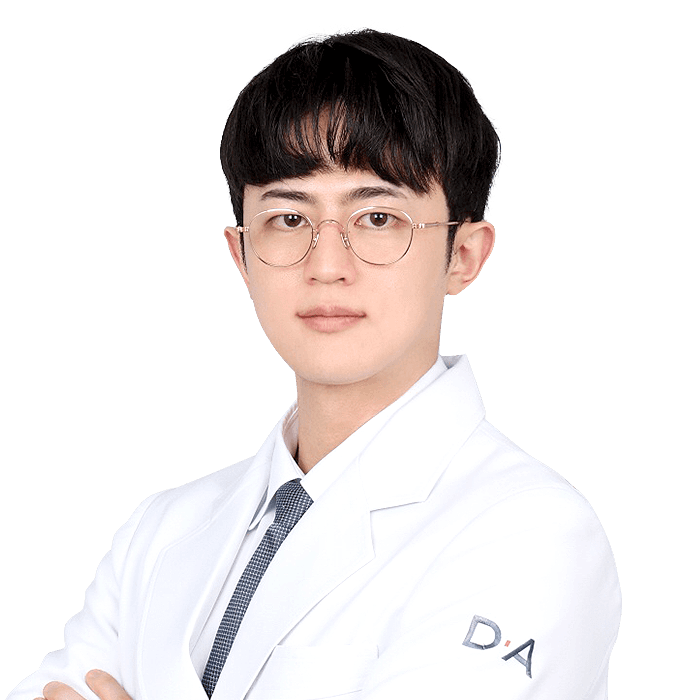
キム・ギョンフェ
美容外科
- ソウル大学病院整形外科 修了
- 大韓整形外科学会 終身会員
- 大韓美容整形外科学会 正会員
- 大韓頭蓋顔面整形外科学会 正会員
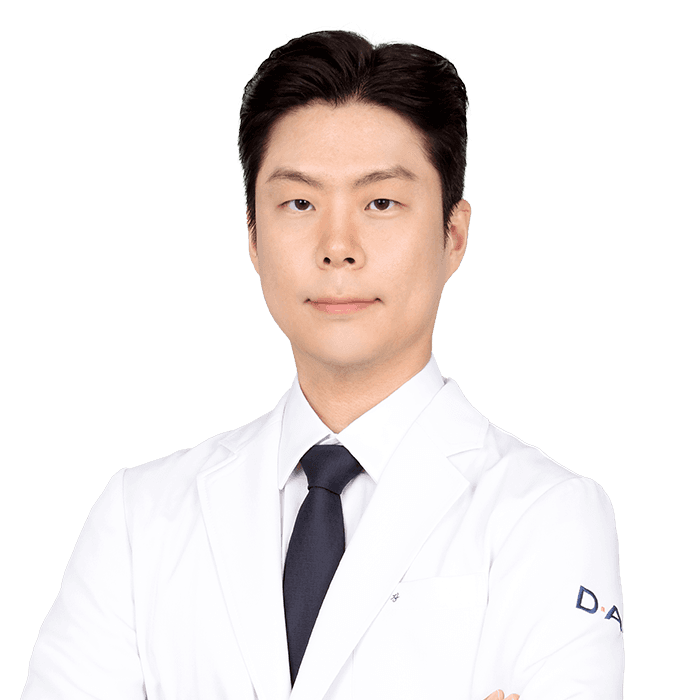
キム・ドヨン
美容外科
- ソウル峨山病院整形外科 修了
- ソウル峨山病院整形外科 臨床講師
- 大韓整形外科学会 終身会員
- 大韓美容整形外科学会 正会員
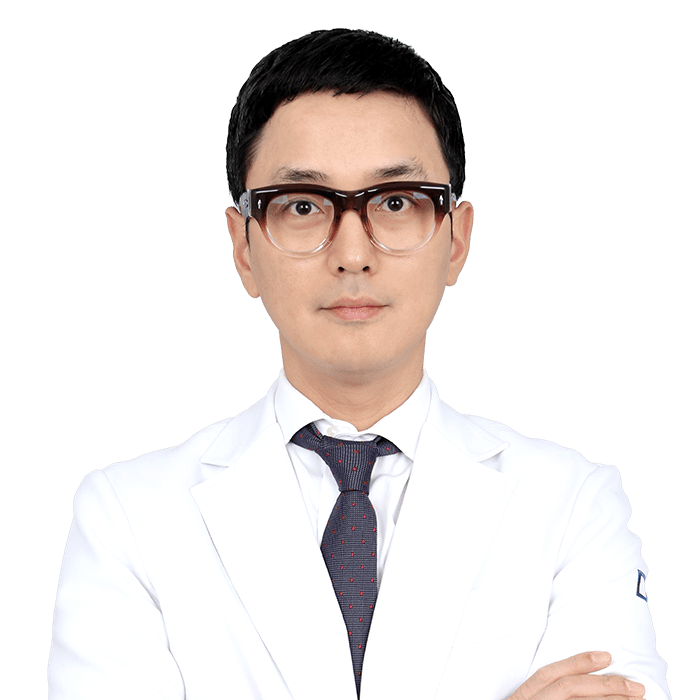
キム・ソクファン
美容外科
- 大韓整形外科 正会員
- 大韓美容整形外科学会 正会員
- 順天大学病院 常勤医
- (前)ヨンラエル整形外科 院長
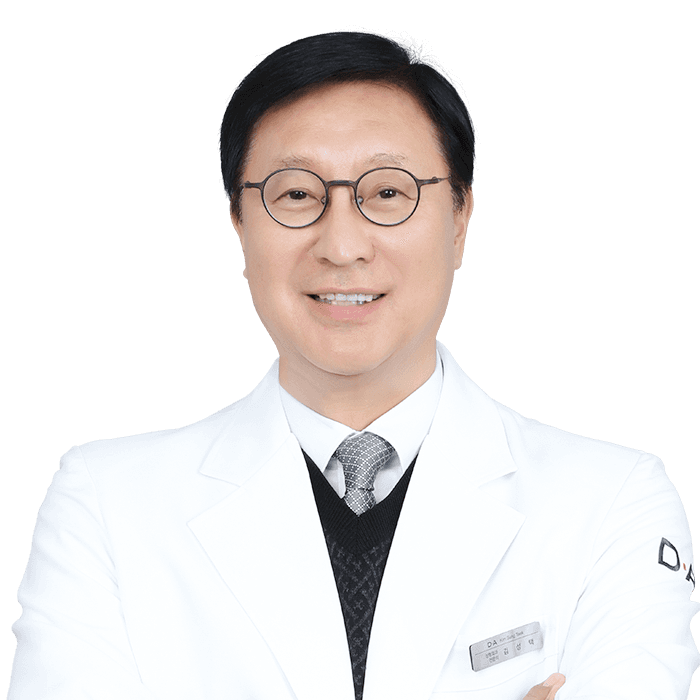
キム・ソンテク
美容外科
- 大韓整形外科学会 終身会員
- 大韓整形外科医師会 正会員
- 大韓美容整形外科学会 正会員
- 大韓頭蓋顔面整形外科学会 正会員
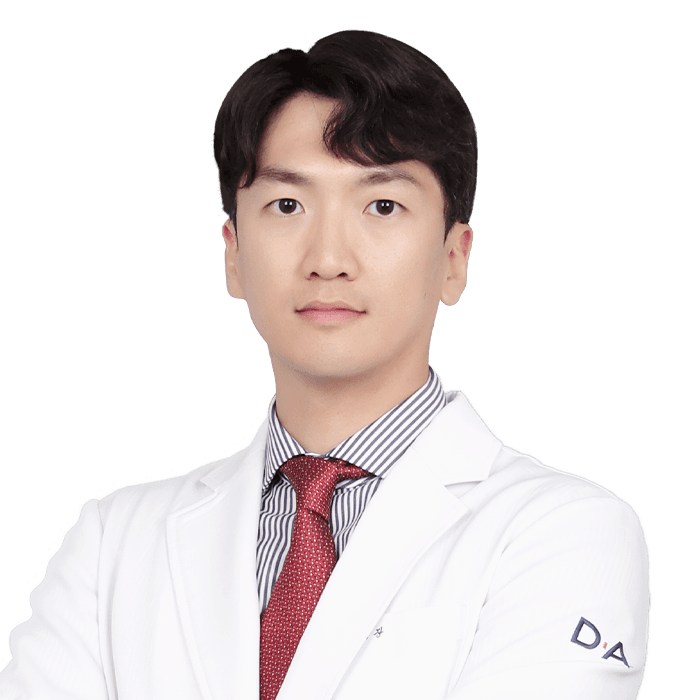
キム・ジンビン
美容外科
- 大韓整形外科学会 終身会員
- 大韓美容整形外科学会 正会員
- (前)ジュノ整形外科 院長
- (前)ソウル・ヨジョン整形外科 院長
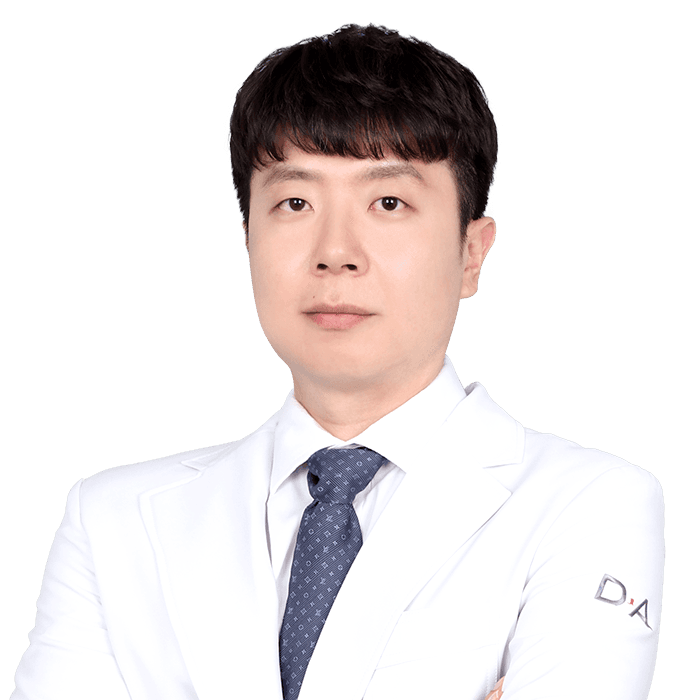
キム・テギ
美容外科
- 大韓整形外科 正会員
- 大韓美容整形外科学会 正会員
- 大韓頭蓋顔面整形外科学会 正会員
- (前)ジュノ整形外科 院長
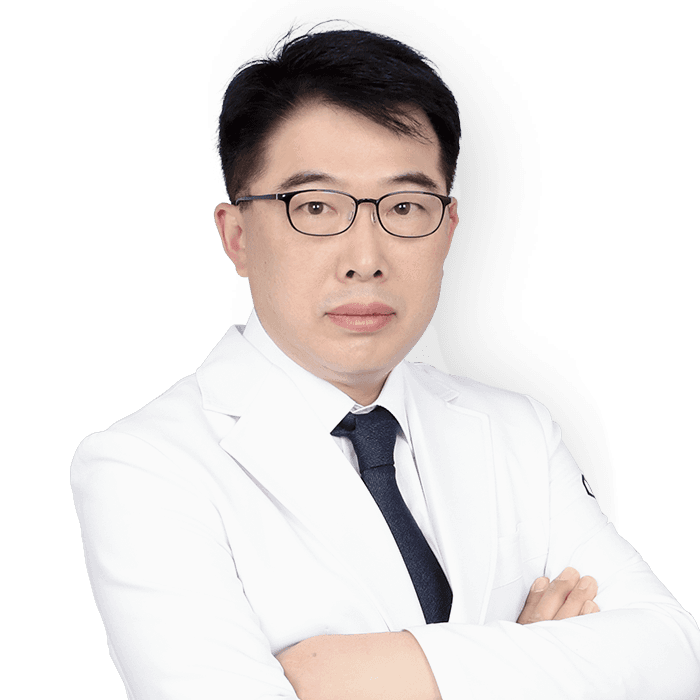
ナム・ドンウ
美容外科
- 大韓整形外科学会 終身会員
- 大韓美容整形外科学会 正会員
- 国際美容整形学会(ISAPS) 正会員
- (前)BK整形外科 院長
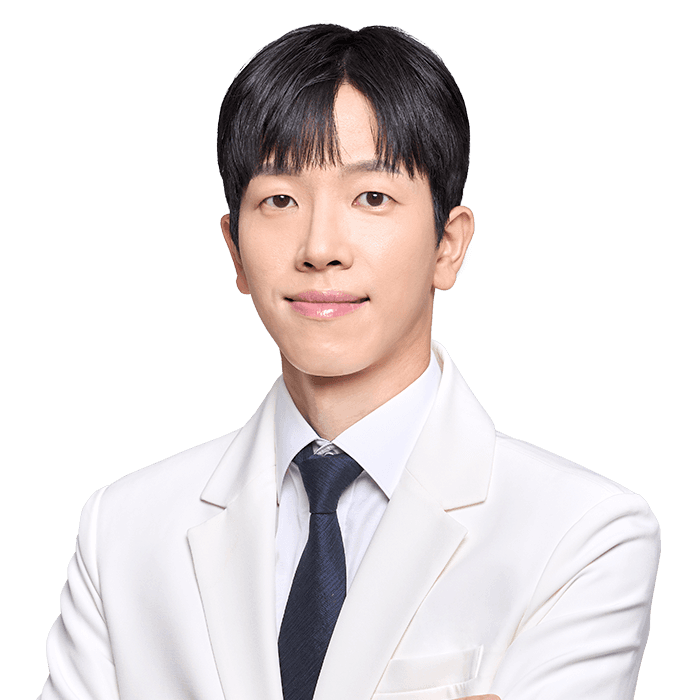
ユ・ウサン
美容外科
- 大韓整形外科 正会員
- 大韓美容整形外科学会 正会員
- 教育部 青少年キャリアプランニング メンター
- (前)自然主義整形外科 院長
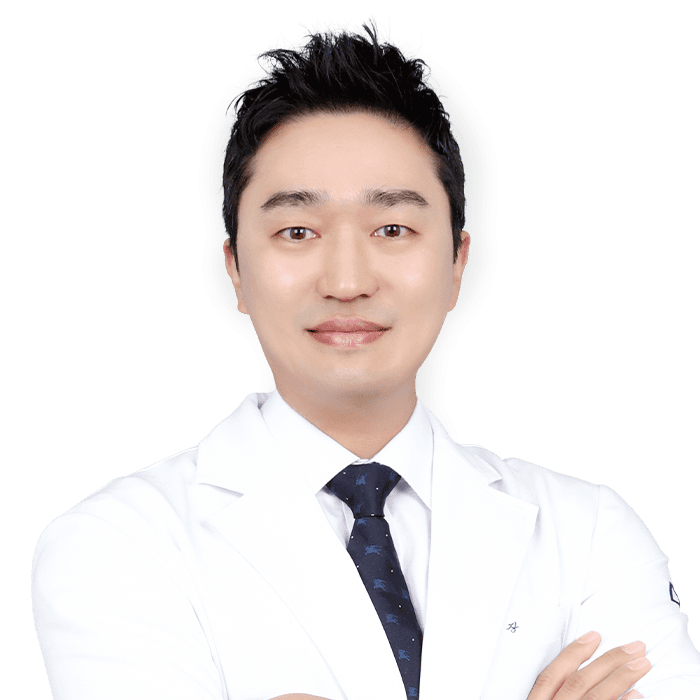
パク・ミンソク
美容外科
- 大韓整形外科学会 終身会員
- 大韓美容整形外科学会 正会員
- 大韓整形外科医師会 正会員
- 上渓白病院 臨床外来教授
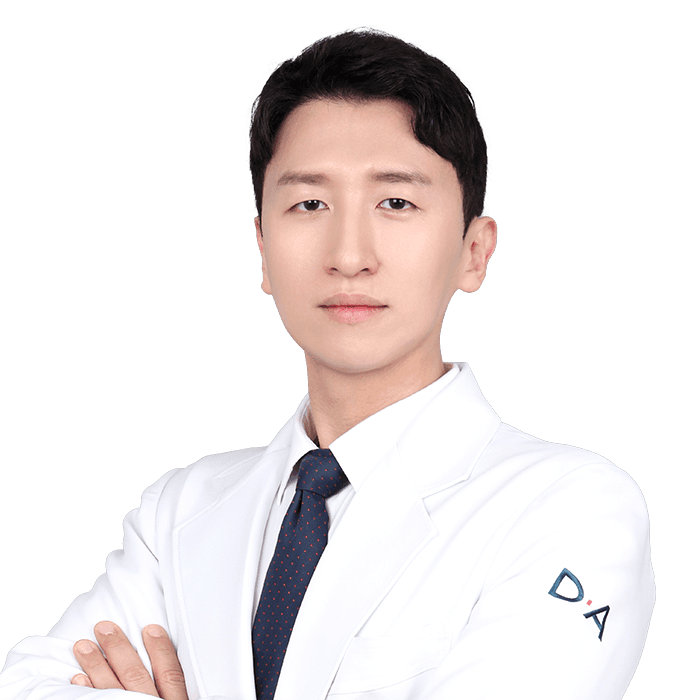
パク・ジヌ
美容外科
- 大韓整形外科 終身会員
- 大韓美容整形外科学会 正会員
- 延世大学セブランス病院整形外科 修了
- UNC Medical Center 整形外科 研修
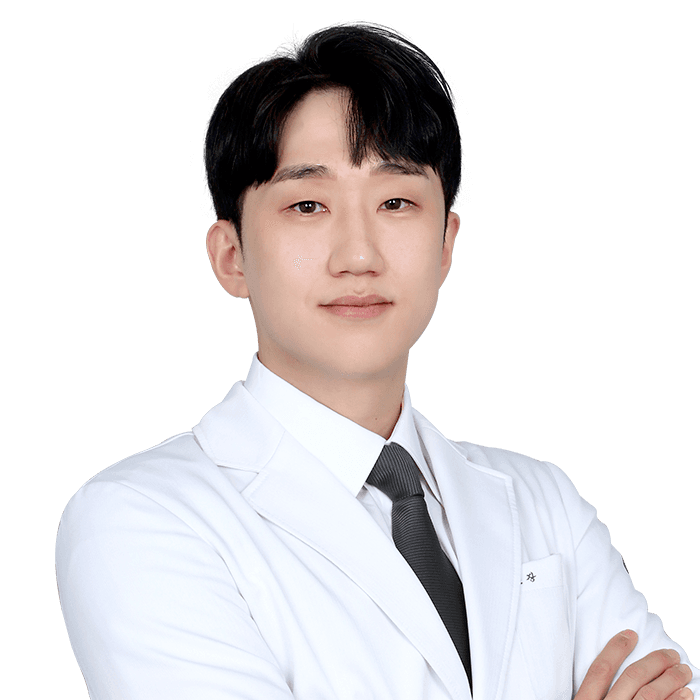
ペ・ジェヨン
美容外科
- 延世セブランス病院整形外科 専門医研修
- 延世セブランス病院 専門医(臨床講師)
- 大韓整形外科学会 終身会員
- 大韓美容整形外科学会 正会員
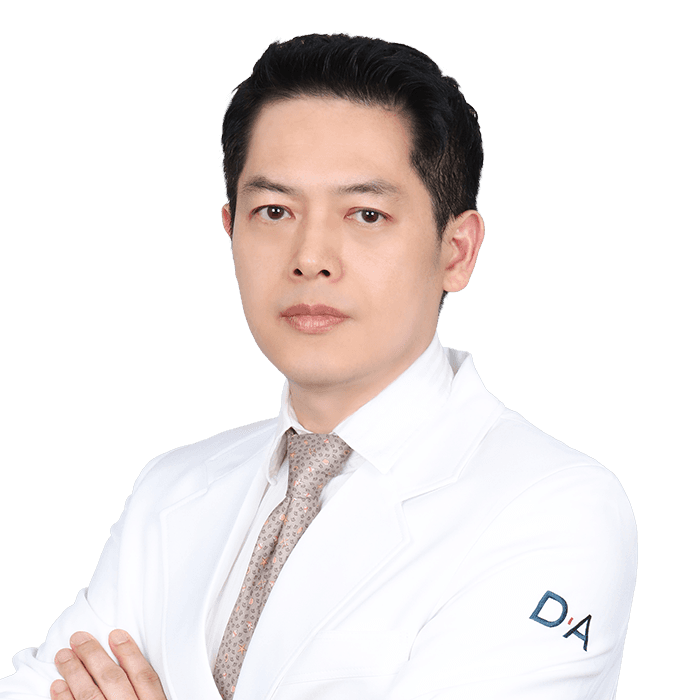
ソ・サンフン
美容外科
- 大韓整形外科学会 正会員
- 大韓美容整形外科学会 正会員
- 大韓整形外科医師会 正会員
- (前)キリム整形外科
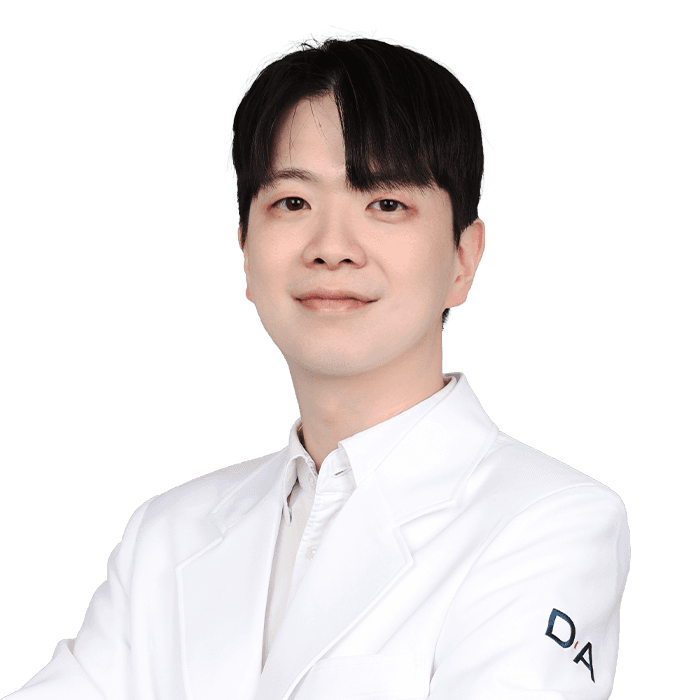
ヤン・ヒジェ
美容外科
- 大韓整形外科学会 終身会員
- 大韓美容整形外科学会 正会員
- (前)アイミ整形医院 院長
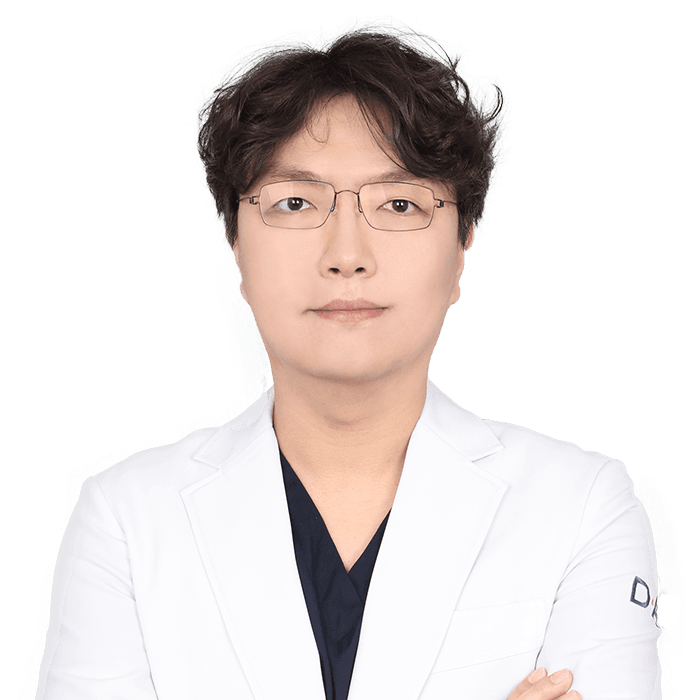
ユ・ヨンソン
美容外科
- 大韓整形外科学会 正会員
- 大韓美容整形科学 正会員
- 大韓整形学会 眼部整形研究会 正会員
- 大韓整形学会 鼻整形研究会 正会員
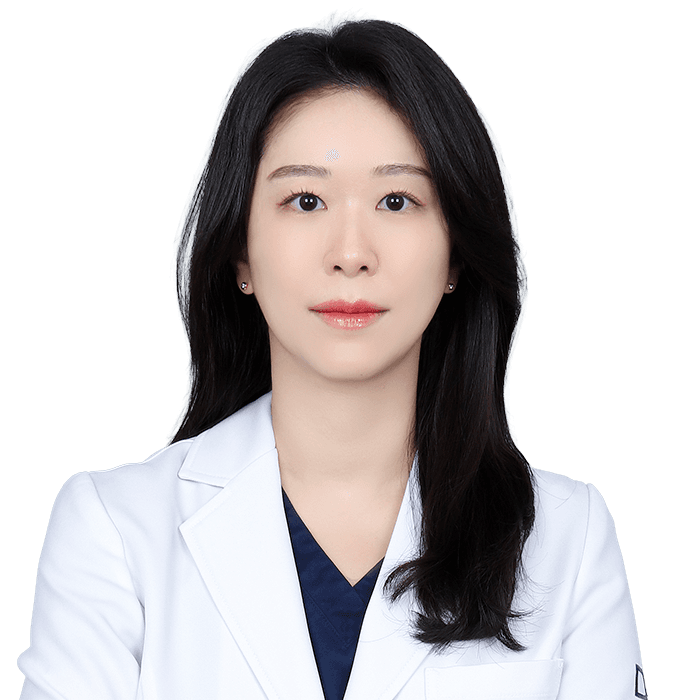
ユ・ヒョギョン
美容外科
- ソウル大学医学部 博士課程修了
- ソウル大学病院整形外科 専任医
- 大韓整形外科学会 正会員
- 大韓美容整形外科学会 正会員
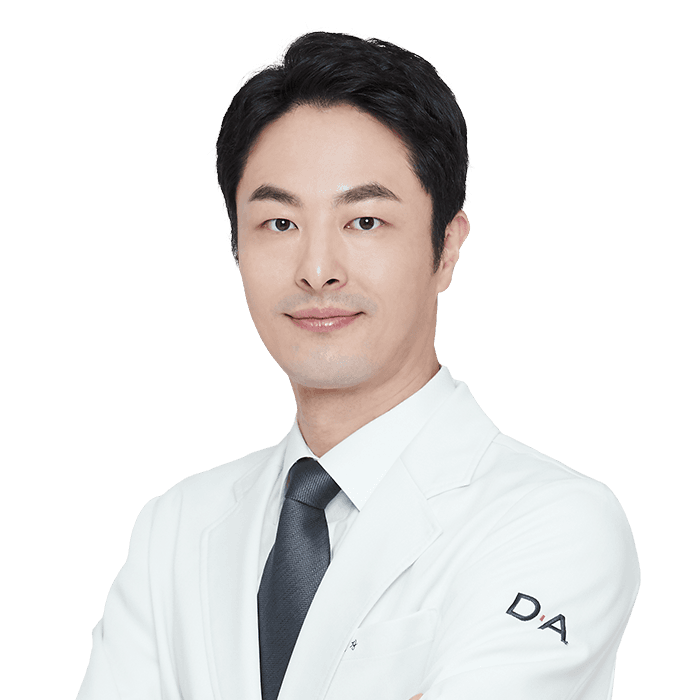
イ・ドンチャン
美容外科
- ソウル大学病院整形外科 修了
- 大韓整形外科医師会 正会員
- 大韓整形外科学会 終身会員
- 大韓美容整形外科学会 正会員
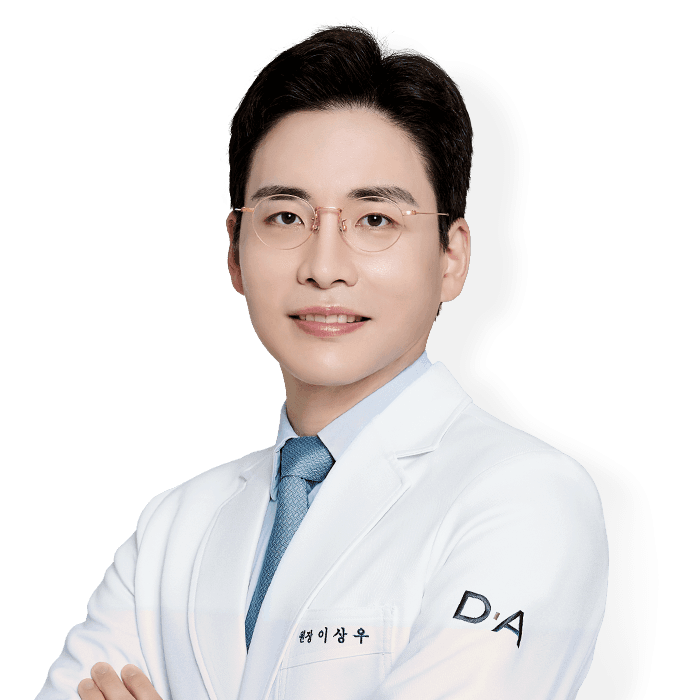
イ・サンウ
美容外科
- ソウル大学病院整形外科 兼任教授
- ソウル大学医学研究所 博士
- 大韓整形外科学会 終身会員
- 大韓顎顔面輪郭整形研究会 会員
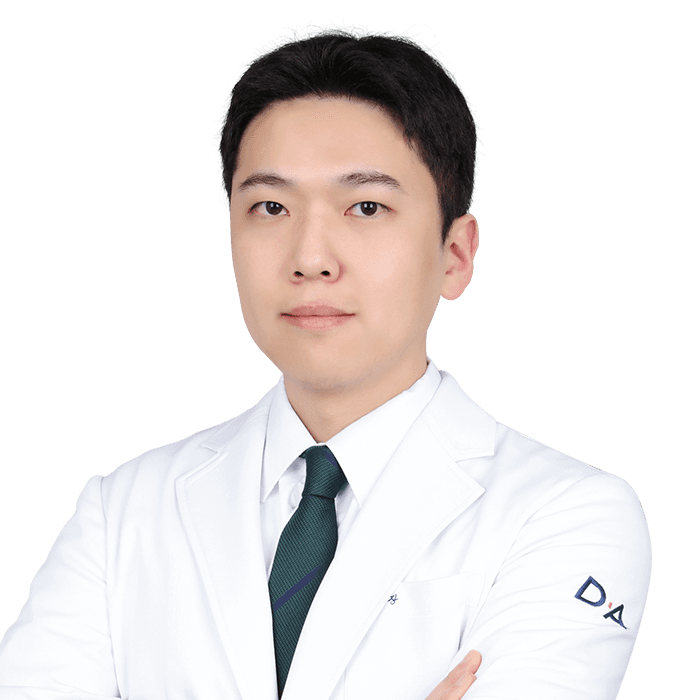
イ・ソンジュ
美容外科
- 大韓整形外科学会 終身会員
- 大韓美容整形外科学会 正会員
- 大韓頭蓋顔面整形外科学会 正会員
- 大韓整形外科医学会 正会員
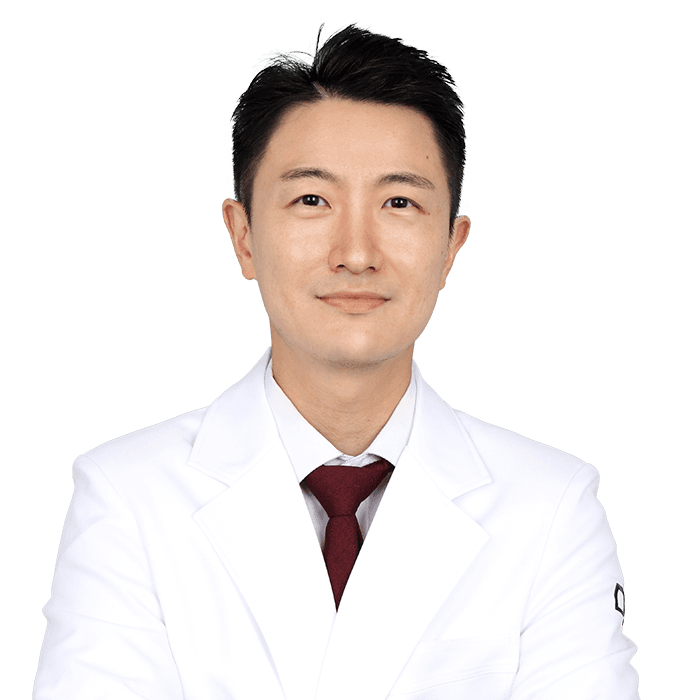
イ・ユンファン
美容外科
- 高麗大学医科大学整形外科 外来教授
- 高麗大学医科大学整形外科学 博士
- 大韓整形外科学会 終身会員
- 大韓美容整形外科学会 正会員
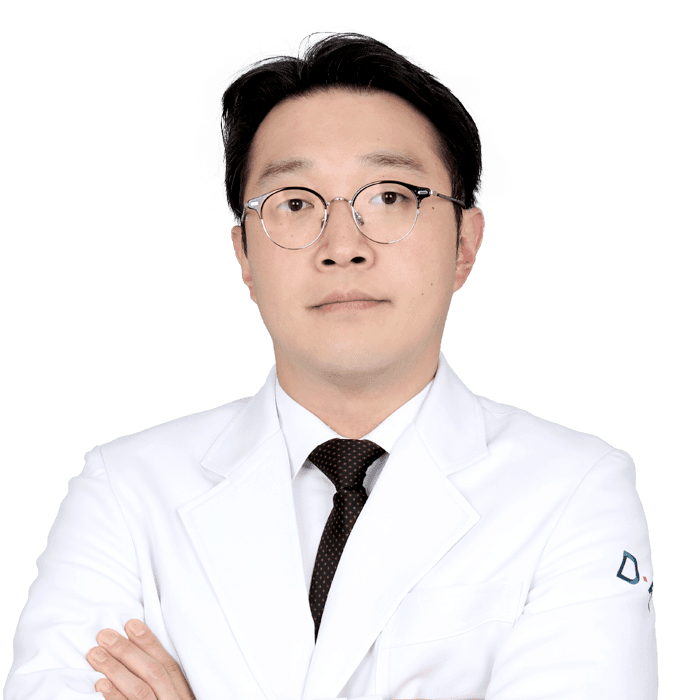
イ・ジェヒョン
美容外科
- 漢陽大学医療院整形外科 修了
- 大韓整形外科学会 正会員
- 大韓整形外科医師協会 正会員
- 大韓美容整形外科学会 正会員

チャン・ジュユン
美容外科
- ソウル大学病院整形外科 専任医
- ソウル大学盆唐病院整形外科 顧問
- 大韓整形外科学会 終身会員
- 米国整形外科学会(ASPS) 国際会員
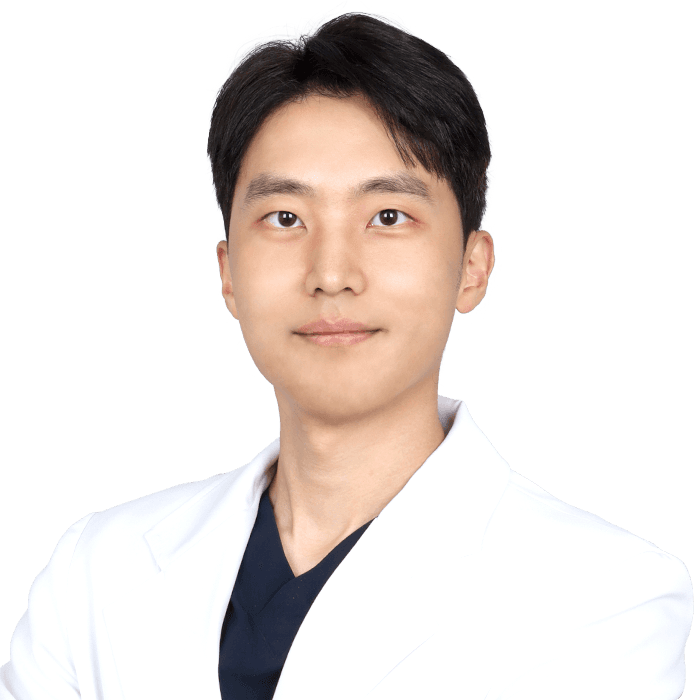
チョン・ジェフン
美容外科
- 韓国・成均館大学医学部 卒業
- サムスンソウル病院整形外科 専門医
- サムスンソウル病院整形外科 外来教授
- 大韓整形外科学会 終身会員
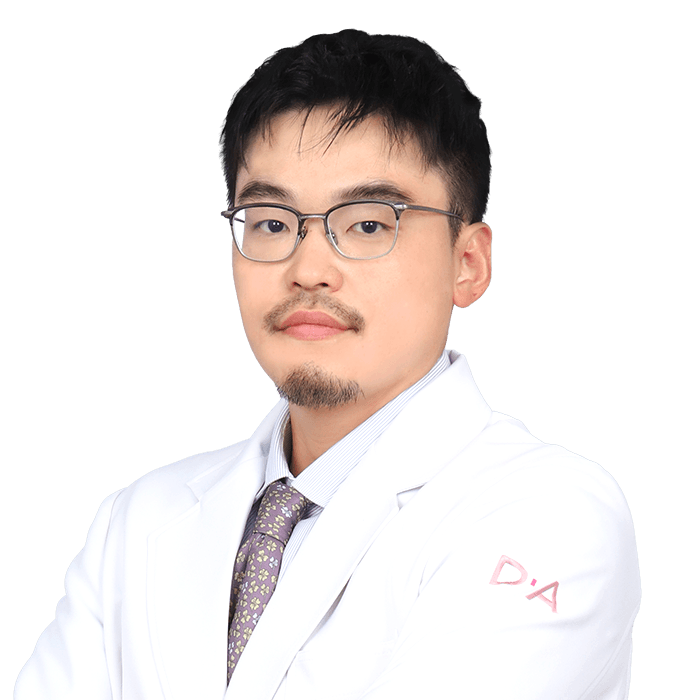
チョ・ヨンフ
美容外科
- 亜洲大学医学部および同大学院 卒業
- 亜洲大学整形外科 顧問医・客員教授
- 大韓整形外科学会 終身会員
- 大韓美容整形外科学会 正会員
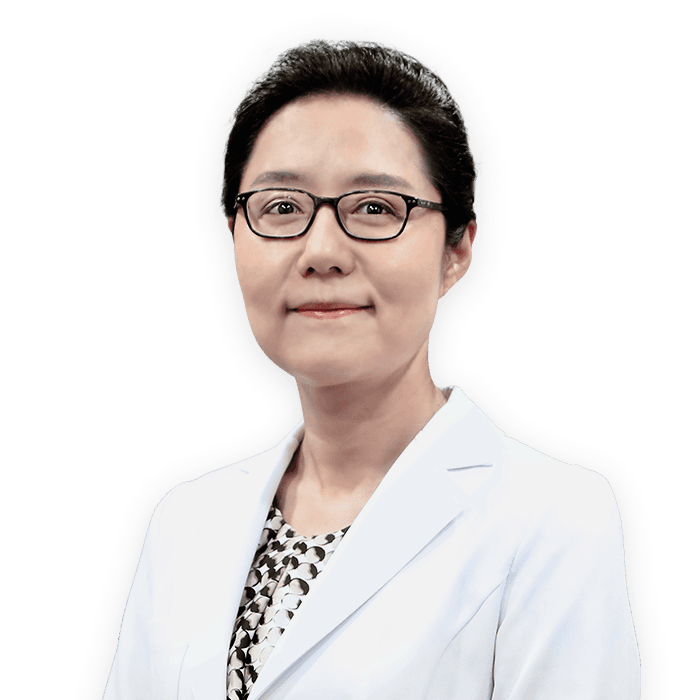
キム・ユンジョン
耳鼻咽喉科
- 大韓耳鼻咽喉科学会 正会員
- 大韓鼻科学会 正会員
- 大韓顔面整形再建学会 正会員
- (前)梨大木洞病院耳鼻咽喉科 外来教授
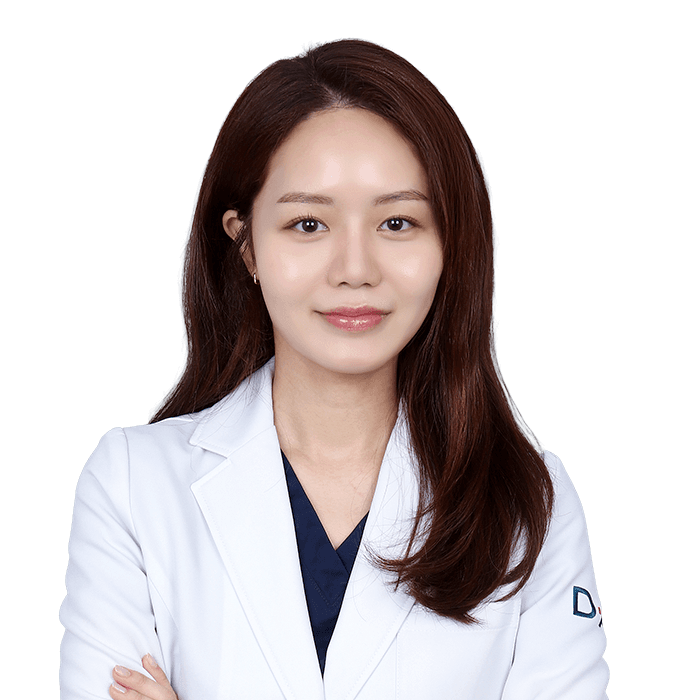
ムン・ソジン
耳鼻咽喉科
- 延世大学医学部 卒業
- 延世大学医学部 龍仁セブランス病院耳鼻咽喉科 教授
- セブランス病院耳鼻咽喉科 専門医・臨床講師 修了
- 大韓顔面整形再建学会 正会員
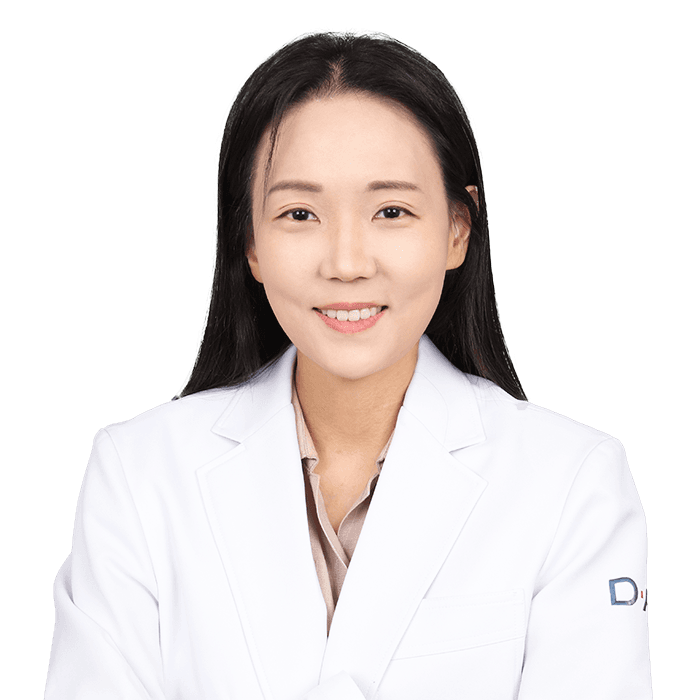
シン・ユジン
外科・内科
- 高麗大学医学部大学院 修士
- ソウル大学内科学 博士課程修了
- 盆唐ソウル大学病院内科 専門医
- 盆唐ソウル大学病院内分泌内科 専門医
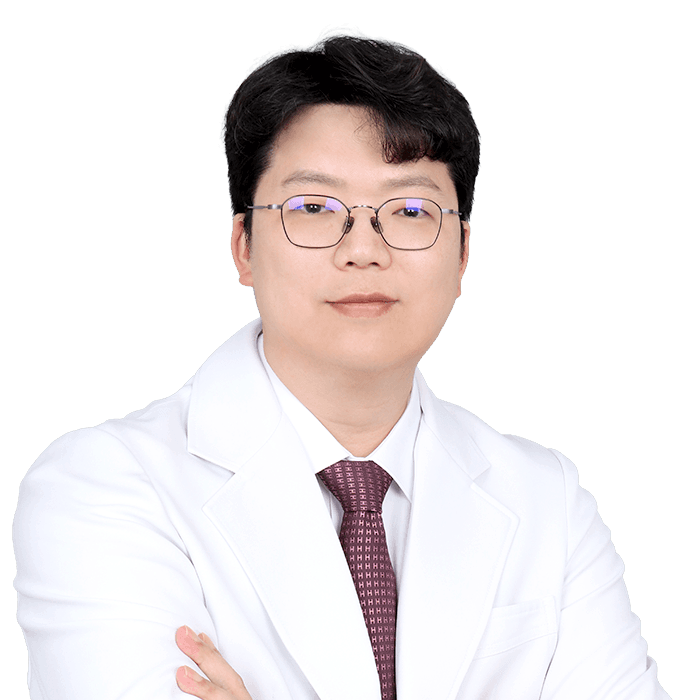
キム・ドンヒョン
皮膚科
- サムスン第一病院 専門医
- 韓国皮膚肥満整形学会 学術理事
- アラガン ボトックス 相談医
- (前)Toxnfill皮膚科 弘大新村店 代表院長
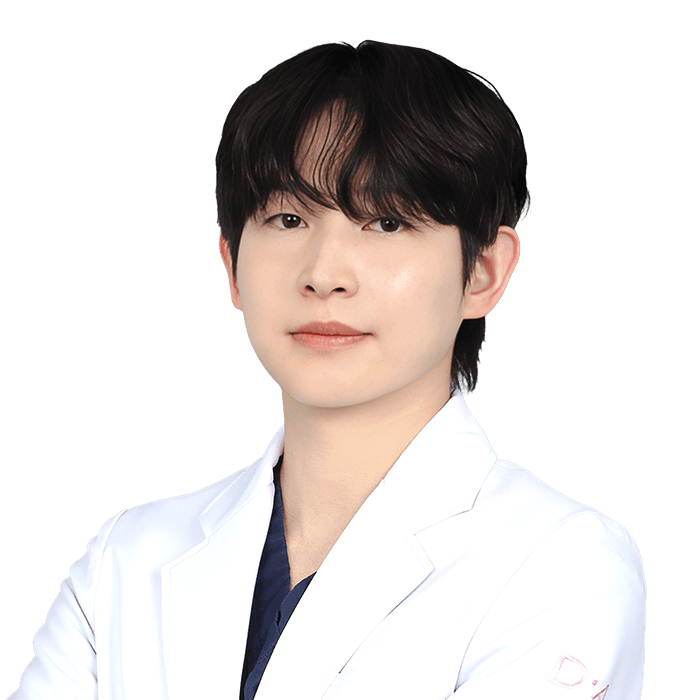
キム・ドンフン
皮膚科
- 大韓リフティング学会 正会員
- 大韓ヒアルロン酸フィラー学会 正会員
- (前)Onlif整形外科 院長
- (前)pangpang医院 院長
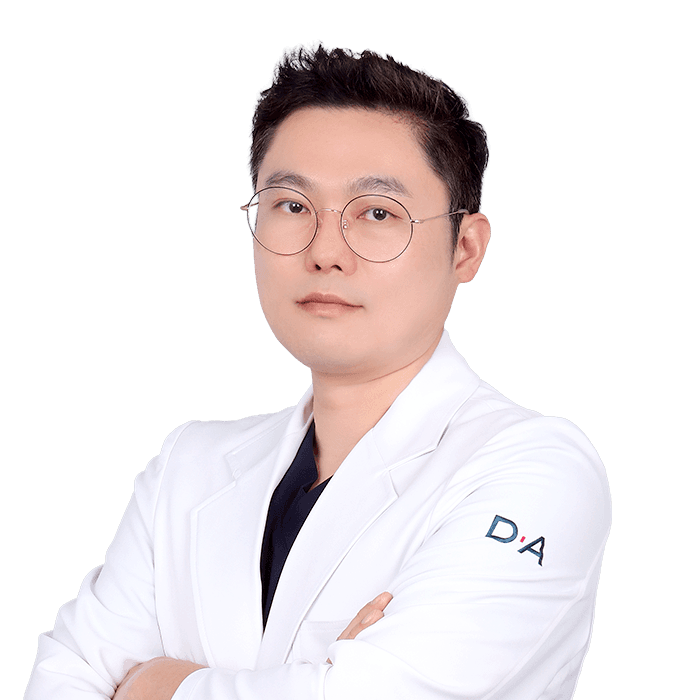
キム・ジェハン
皮膚科
- 大韓美容整形外科学会 正会員
- 大韓リフティング学会 正会員
- 大韓抗老化研究学会 正会員
- (前)清潭ジュニス 代表院長
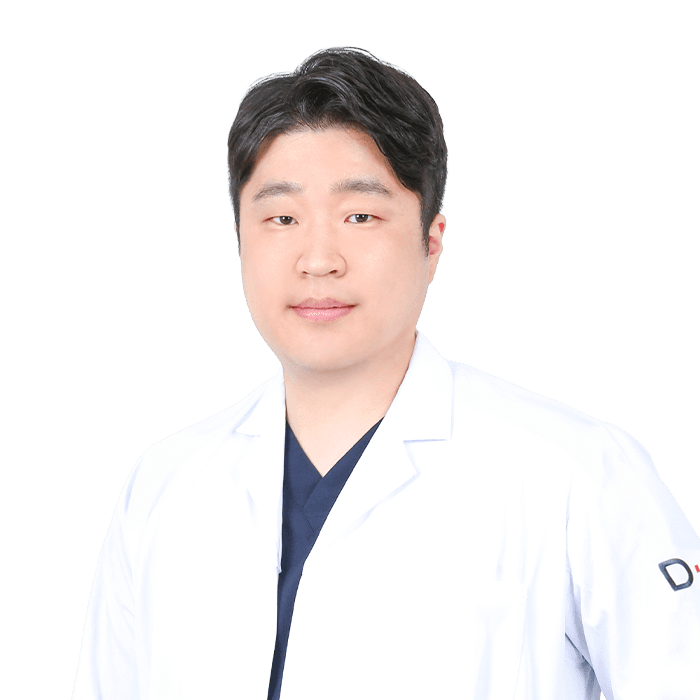
チェ・ヒョンミン
皮膚科
- 米国セントルイス・ワシントン大学 卒業
- カトリック大学医学専門大学院 卒業
- 延世セブランス病院外科 専門医課程 修了
- (前)Yaan Clinic 院長
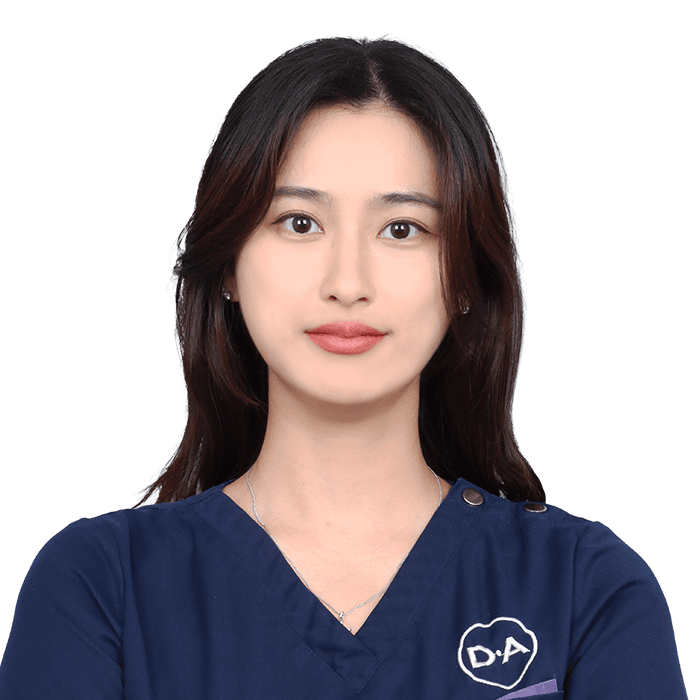
クォン・ジナ
麻酔科・ペインクリニック
- ソウル大学病院麻酔疼痛医学科 専門医
- 大韓麻酔疼痛医学会 正会員

キム・ソンファン
麻酔科・ペインクリニック
- ソウル大学病院 研修医
- ソウル大学病院 専門医
- 大韓麻酔疼痛医学会 正会員
- 大韓重症医学会 正会員
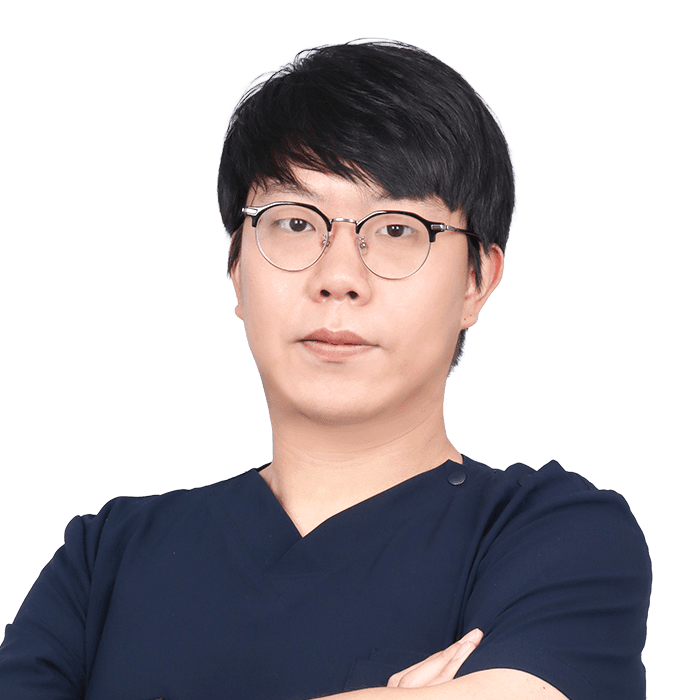
パク・ドンヒョク
麻酔科・ペインクリニック
- ソウル大学病院麻酔疼痛医学科 専門医
- 大韓麻酔疼痛医学会 正会員
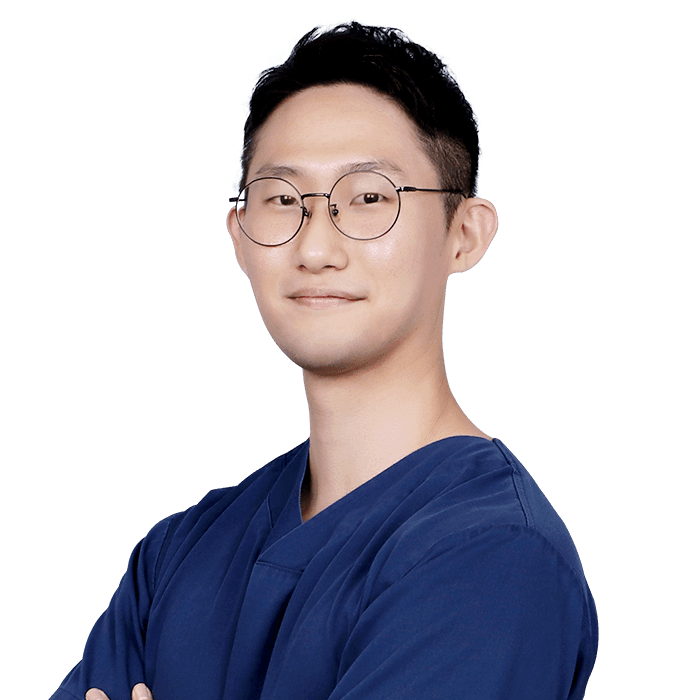
ソ・ミンガン
麻酔科・ペインクリニック
- ソウル大学病院麻酔疼痛医学科 専門医
- 大韓麻酔疼痛医学会 正会員
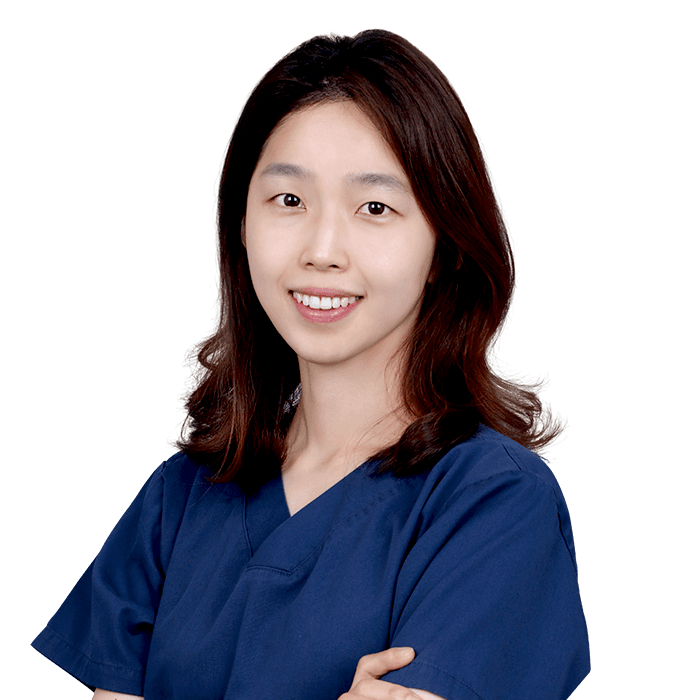
ヤン・ヘモ
麻酔科・ペインクリニック
- ソウル大学病院麻酔疼痛医学科 専門医
- 大韓麻酔疼痛医学会 正会員
- 大韓疼痛学会 正会員
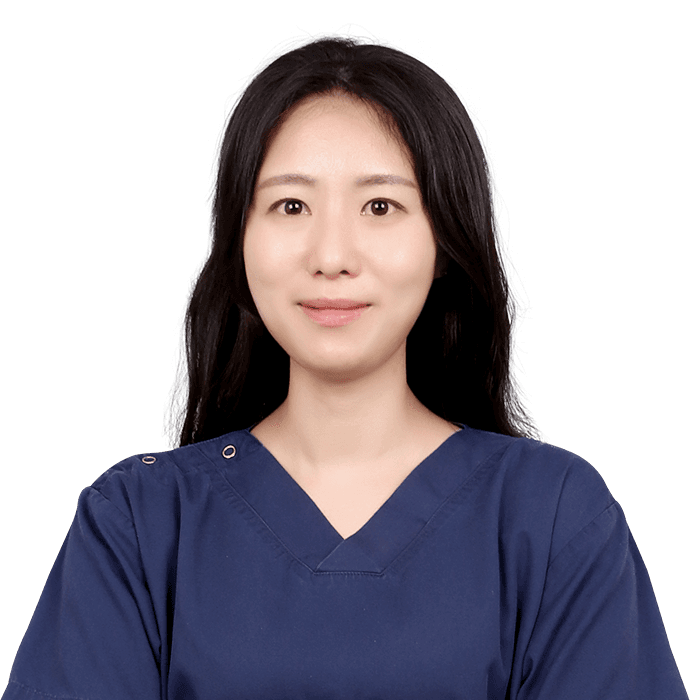
イ・ミスク
麻酔科・ペインクリニック
- 成均館大学医学部 江北サムスン病院麻酔疼痛医学科 専門医
- 大韓麻酔疼痛医学会 正会員
- 大韓疼痛学会 正会員
- 大韓心肺麻酔学会 正会員
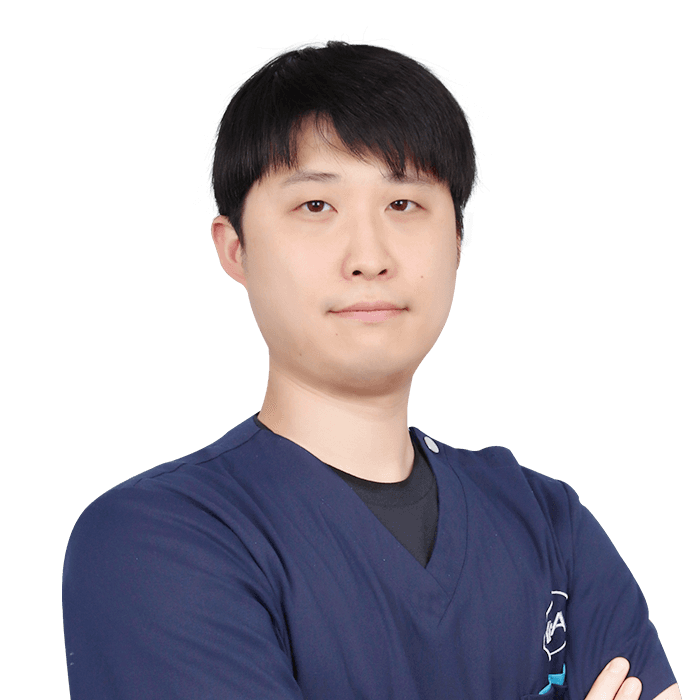
チョ・ドンウォン
麻酔科・ペインクリニック
- ソウル大学病院麻酔疼痛医学科 臨床講師・診療教授
- 大韓麻酔疼痛医学会 正会員
- 大韓疼痛学会 正会員
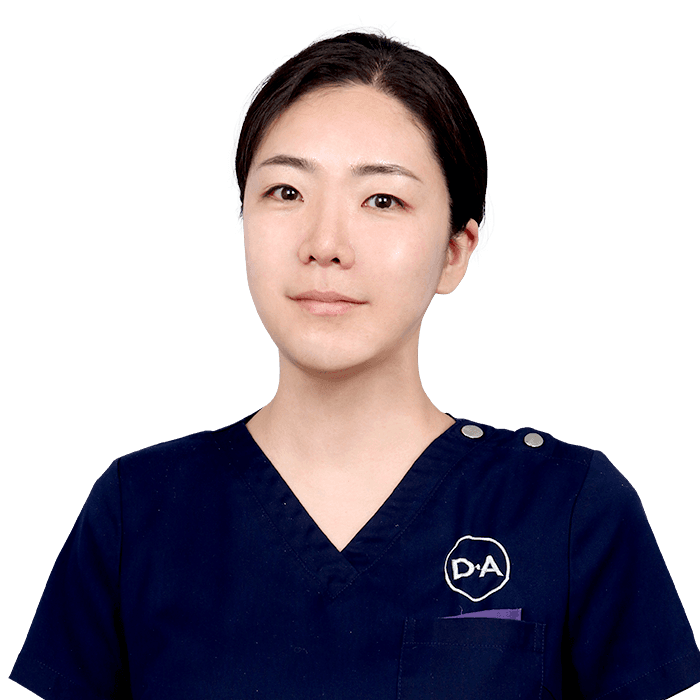
チュ・ジヨン
麻酔科・ペインクリニック
- 盆唐ソウル大学病院 麻酔疼痛 フェロー
- 大韓麻酔疼痛医学会 正会員
- 大韓疼痛学会 正会員

チェ・ヒョンジョン
麻酔科・ペインクリニック
- 盆唐ソウル大学病院麻酔疼痛医学科 専任医
- 盆唐ソウル大学病院麻酔疼痛医学科 外来教授
- 大韓麻酔疼痛医学会 正会員
- 大韓疼痛学会 正会員