On this page
A thread lift has become one of the most requested contouring procedures for people who want a firmer jawline and lifted mid-face without the downtime of a surgical facelift. If you are researching a thread lift in Korea, this guide explains how it works, who benefits, what recovery honestly looks like, and how pricing works at HERA Clinic in Gangnam. Individual results vary, and nothing here replaces an in-person consultation with a licensed physician.
What is a thread lift?
A thread lift is a minimally invasive procedure in which fine, absorbable threads are placed under the skin to reposition and support sagging tissue. Most clinics in Korea, including HERA, use PDO thread lift materials. PDO (polydioxanone) is a bioabsorbable polymer used in surgical sutures for decades. Once inserted, the threads do two things at once: they mechanically lift and anchor loose tissue, and they trigger a controlled healing response that stimulates your own collagen along the thread path. Over the following weeks that collagen provides a subtle, longer-lasting firmness even as the threads gradually dissolve.
Threads come in different designs. Smooth or "mono" threads are used mainly for skin tightening and texture, while barbed or cog threads (including mint thread lift style threads with molded barbs) grip tissue more firmly and are chosen when actual repositioning of the jawline or cheek is the goal. The right thread type, count, and vector are decisions your physician makes based on your anatomy.
What is happening under the skin. The lifting you see immediately after the procedure is mechanical: the barbs or cones along the thread engage the fibrous tissue of the deep dermis and superficial fat and hold it in a new position. In the weeks that follow, the polydioxanone triggers a controlled foreign-body healing response along each thread track, stimulating fibroblasts to lay down fresh type I and type III collagen (a process often called neocollagenesis). This is why the result frequently looks its best not on day one but over the following one to three months, and why the plane of insertion and the vector angle a physician chooses matter as much as the number of threads.
How a thread lift works step by step
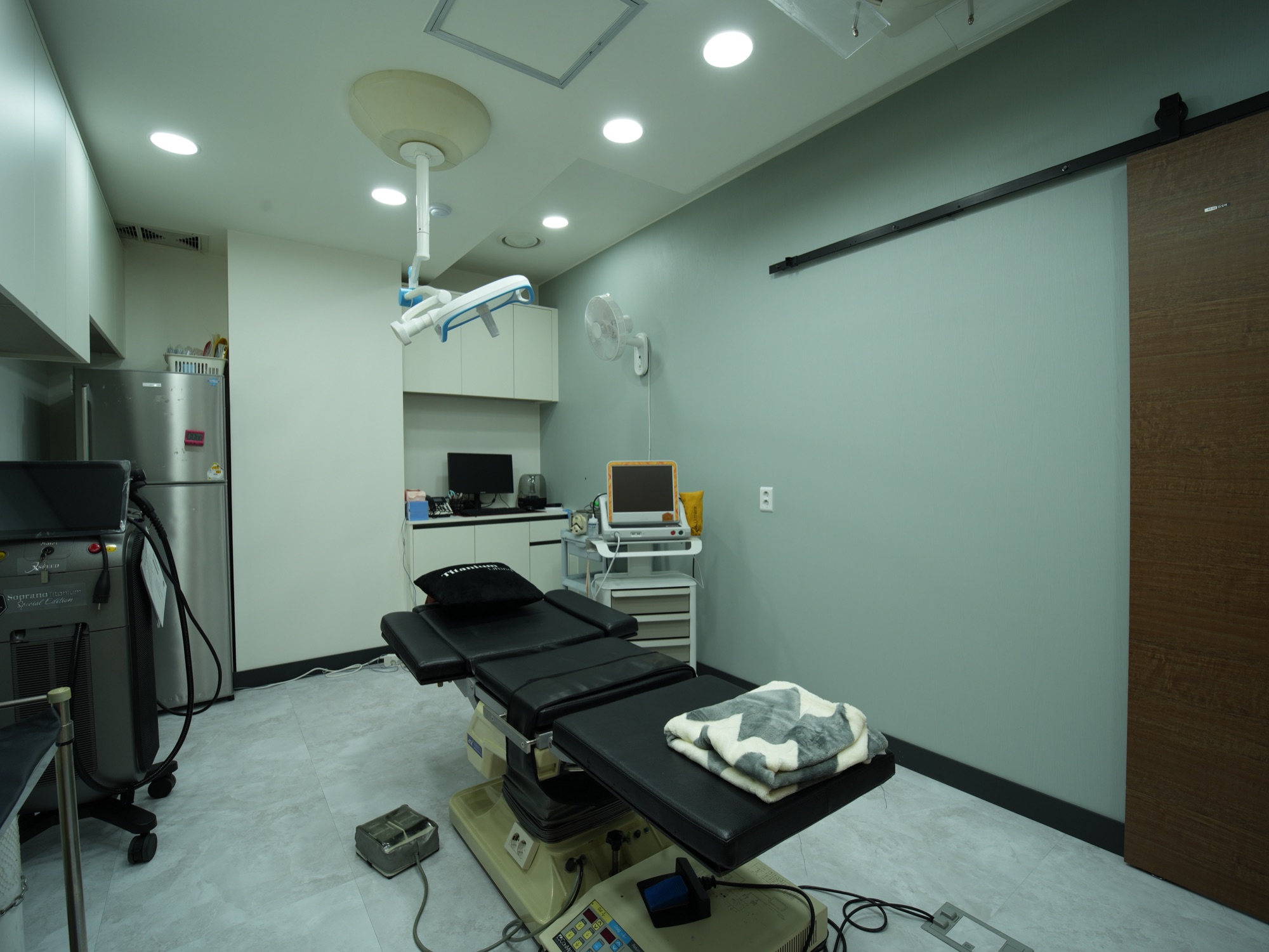
Understanding the flow of the procedure removes a lot of anxiety. A typical thread lift at HERA follows this sequence:
- Consultation and mapping. The physician assesses skin elasticity, fat distribution, and the degree of sagging, then marks the lift vectors on your face.
- Local anesthesia. A topical numbing cream and local anesthetic are applied so the procedure is comfortable. You stay awake throughout.
- Thread insertion. Using a fine cannula or needle, the threads are guided along the marked vectors. The physician gently draws the tissue upward and secures it.
- Adjustment and finishing. Excess thread is trimmed below the skin surface, and the lift is balanced for symmetry.
The whole session usually takes 30 to 60 minutes depending on the number of threads and treatment areas. You can typically walk out the same day.
Who is a good candidate?
Thread lifting tends to suit people in their 30s to 50s who have mild to moderate sagging along the jawline, cheeks, or brow but still have reasonable skin quality. It is often a bridge for those who feel skincare is no longer enough yet are not ready for surgery, and who want a defined jaw or V-line contour, a lift of the nasolabial area, or subtle brow elevation.
It is less suitable for very heavy, deeply sagging tissue or significant excess skin, where the mechanical hold of threads may be insufficient. During consultation the physician will tell you honestly if another approach would serve you better. Managing expectations is part of doing this responsibly.
Suitability is not decided by age alone but by tissue quality. During assessment a physician looks at skin elasticity and thickness, the amount and descent of subcutaneous fat, and where your ligaments have loosened, because threads anchor best in skin that still has enough collagen and dermal thickness to hold them. Very thin, heavily sun-damaged, or extremely lax skin holds a thread less predictably, which is one reason two people of the same age can be advised quite differently.
Thread lift vs filler: how to choose
People often compare thread lift vs filler because both are injectable, non-surgical, and done in a single visit, but they solve different problems. Filler adds volume, restoring lost fullness in the cheeks, temples, or under-eye area and softening folds indirectly. It does not physically reposition sagging tissue upward.
A thread lift, by contrast, is about lifting and repositioning: it grips loose tissue, moves it along a vector, then supports it while new collagen forms. In practice the two are frequently combined—filler to rebuild lost structure, threads to lift what has descended. Your physician will explain which your face actually needs. Neither is universally "better" than the other.
How thread lifting compares to energy-based lifting
You may also be weighing thread lifting against energy-based devices such as HIFU or radiofrequency (Thermage-type) lifting. These work on a completely different principle: a thread lift gives an immediate mechanical lift by physically repositioning tissue, while HIFU and radiofrequency deliver focused energy to heat deeper layers and tighten them gradually over months without repositioning anything. Because the mechanisms differ, they are often complementary rather than interchangeable, and some patients combine a thread lift for contour with an energy device for overall firmness. Which combination suits you is best decided in consultation.
Thread lift downtime and recovery
Being honest about thread lift downtime matters more than promising a zero-recovery experience. A thread lift is minimally invasive, but it is still a procedure, and some temporary effects are normal:
- Swelling and mild bruising around the insertion points and treated areas, usually most noticeable in the first 2 to 3 days and settling over about a week.
- A tight or pulling sensation when you smile, chew, or open your mouth wide. This is expected as the threads and tissue settle and typically eases within one to two weeks.
- Small dimpling or slight asymmetry immediately after, which usually smooths out as swelling resolves.
- Tenderness at the entry points for a few days.
To protect the result, most patients are advised to avoid strenuous exercise, saunas, extreme facial expressions, and dental procedures for one to two weeks, to sleep face-up, and to chew softer foods for the first few days. Serious complications are uncommon with an experienced physician, but any unusual pain, spreading redness, or signs of infection should be reported to the clinic promptly.
How long does it last? Because the threads are absorbable, the lift is not permanent. The mechanical effect fades as the threads dissolve, while the collagen stimulated along the thread path contributes firmness for longer. Many patients enjoy a visible improvement for roughly a year to a year and a half, though this varies with age, skin quality, thread type, and how many threads were placed. Some schedule periodic maintenance to sustain the effect.
Thread lift options at HERA Clinic in Gangnam
At HERA, thread lifting is not a single fixed package. The clinic tailors the thread type, count, and vectors to your anatomy and goals. Our main thread-based lifting menus include:
- Custom Thread Lifting — a personalized plan where the number and placement of threads are designed around your specific areas of sagging.
- Premium Thread Lifting — a higher-specification thread option for those seeking a stronger, more defined lift.
- Premium Lift Combo — a combination approach that pairs thread lifting with complementary lifting methods for a more comprehensive result.
Which of these fits you is determined at your consultation, based on how much lift you need and where.
Visiting HERA in Gangnam
If you are traveling to Seoul for a thread lift, a little planning makes the visit smoother. Here is what international patients most often ask about coming to HERA Clinic in Gangnam.
Consultation and booking. You can reach out ahead of your trip to share your goals and preferred dates, and the clinic will help you plan a realistic schedule. Every treatment still begins with an in-person consultation on the day, because the physician needs to examine your skin and facial structure before confirming a plan. In many cases, if you are a suitable candidate and you wish to proceed, the consultation and the thread lift itself can be done in the same visit.
Language and interpretation. HERA regularly treats international patients, and English-language support is available so that the consultation, consent, and aftercare instructions are clearly understood. If you have questions about interpretation for your language, ask when you arrange your appointment.
How long to stay in Korea. A thread lift is a same-day, walk-out procedure, so an overnight stay is not medically required. That said, many patients find it comfortable to plan a few days in Seoul: it allows time for the initial consultation, lets early swelling and any bruising begin to settle, and leaves room for a short follow-up check if the clinic recommends one. Building a little buffer before any important events is sensible, since the most noticeable swelling is usually in the first two to three days.
Aftercare while traveling. For the first one to two weeks you will be advised to avoid saunas and jjimjilbang, strenuous exercise, extreme facial expressions, and dental work, to sleep face-up, and to favor softer foods at first. It is worth keeping this in mind when planning the rest of your trip. The clinic will give you specific instructions and a point of contact should you notice anything unusual after you leave.
Payment and pricing. HERA applies the same pricing to Korean and international patients, with no separate foreigner rate, and the full plan and estimate are explained before you agree to proceed. If it suits your goals, complementary treatments can sometimes be combined in a single visit, which the physician will discuss with you at consultation rather than assume in advance.
Thread lift price in Korea and at HERA
The honest answer on thread lift price in Korea is that it depends on the number of threads, the thread type, and the treatment areas, so a single sticker price would be misleading. HERA provides a clear estimate at your in-person consultation once the physician has assessed what your face requires. Our commitment is transparency: the same pricing applies to Korean and international patients, with no separate foreigner rate, and the full plan is explained before you proceed.
A thread lift can deliver a natural, refreshed contour with far less downtime than surgery, but the right plan is always individual. If you are considering a thread lift in Korea, the most useful next step is a consultation where a licensed physician can assess your skin, explain your realistic options, and set honest expectations. HERA Clinic in Gangnam welcomes both local and international patients under the same standard of care.
FAQ
Frequently asked questions
Q1How much does a thread lift cost in Korea?
Thread lift price in Korea depends on the number of threads, the thread type, and the treatment areas, so there is no single fixed figure. At HERA Clinic, the physician assesses your needs and gives a clear estimate at your consultation. The same pricing applies to Korean and international patients, with no separate foreigner rate.Q2How long is the downtime after a PDO thread lift?
Most people experience swelling and mild bruising that peaks around days 2 to 3 and settles over about a week, plus a tight or pulling sensation when smiling or chewing that usually eases within one to two weeks. Avoiding strenuous exercise, saunas, and extreme facial expressions for one to two weeks helps protect the result. Recovery varies by individual.Q3How long does a thread lift last?
Because the threads are absorbable, the effect is not permanent. Many patients see a visible improvement for roughly a year to a year and a half, supported by collagen stimulated along the thread path, though this varies with age, skin quality, thread type, and the number of threads placed.Q4Thread lift vs filler: which one do I need?
They solve different problems. Filler restores lost volume, while a thread lift repositions and lifts sagging tissue. They are often combined rather than chosen exclusively. A physician can assess whether your face needs added volume, a lift, or both.Q5Is a thread lift the same as HIFU or Thermage?
No. A thread lift physically repositions tissue for an immediate mechanical lift, while HIFU and radiofrequency devices like Thermage use focused energy to tighten deeper layers gradually without repositioning. They work on different principles and are often complementary, so the right choice or combination is decided in consultation.
HERA Journal
Keep reading
 Lifting
Thermage FLX in Korea: A Complete Guide
What Thermage FLX in Korea really involves — how it works, who it suits, what's included, recovery, and what shapes the cost.
8 minRead → Lifting
Shrink Lifting in Korea: A Patient Guide
What Shrink lifting in Korea actually does, who it suits, downtime, and how HERA in Gangnam prices it the same for locals and visitors.
8 minRead → Injectables
Fat Dissolving Injections in Korea: A Guide
What fat dissolving injections can and can't do, who they suit, downtime, and how a treatment is planned for international patients in Gangnam, Seoul.
8 minRead →
YouTubeで
YouTube動画
医療チームによる解説動画——タップで再生。
あなたの医療チーム
あなたに寄り添う医療チーム
カウンセリングを担当した院長が、そのまま執刀いたします。形成外科専門医24名を含む総勢40名の医療チームと、常勤の麻酔科専門医9名が、カウンセリングから術後まで1対1で担当します。効果には個人差があります。

グ・ヒョングク
美容外科
- 大韓整形外科学会 終身会員
- 大韓美容整形学会 正会員
- 国際美容整形学会(IPRAS) 正会員
- 大韓乳房整形研究会 会員
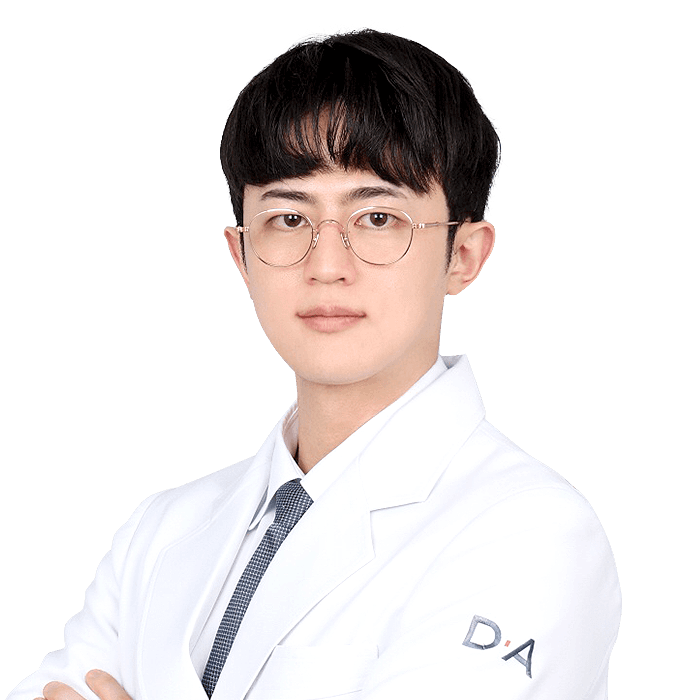
キム・ギョンフェ
美容外科
- ソウル大学病院整形外科 修了
- 大韓整形外科学会 終身会員
- 大韓美容整形外科学会 正会員
- 大韓頭蓋顔面整形外科学会 正会員
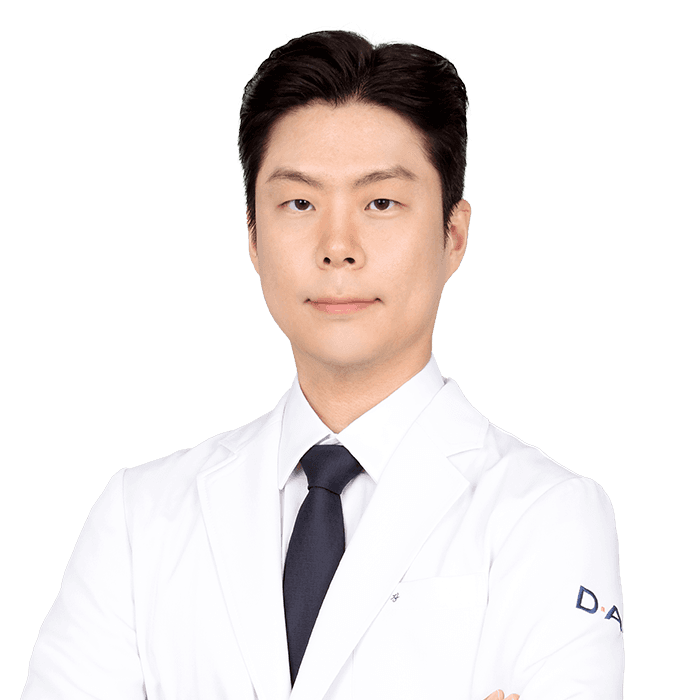
キム・ドヨン
美容外科
- ソウル峨山病院整形外科 修了
- ソウル峨山病院整形外科 臨床講師
- 大韓整形外科学会 終身会員
- 大韓美容整形外科学会 正会員
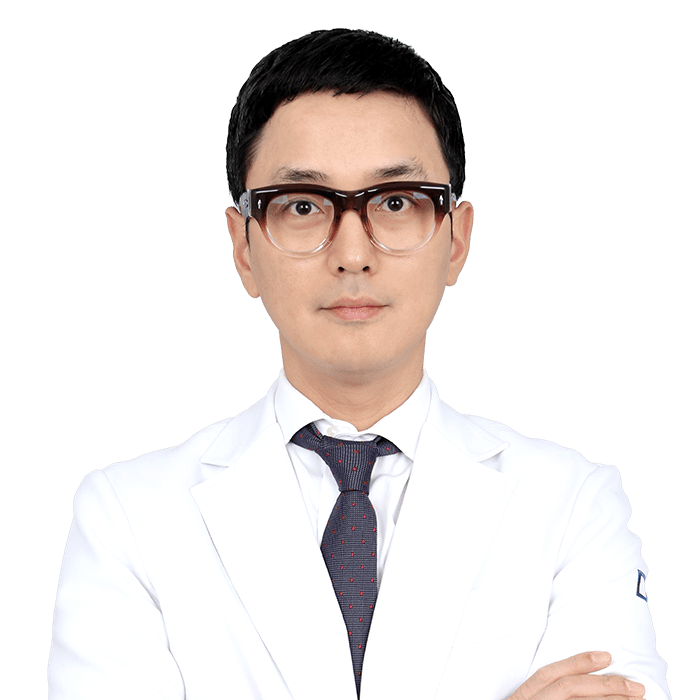
キム・ソクファン
美容外科
- 大韓整形外科 正会員
- 大韓美容整形外科学会 正会員
- 順天大学病院 常勤医
- (前)ヨンラエル整形外科 院長
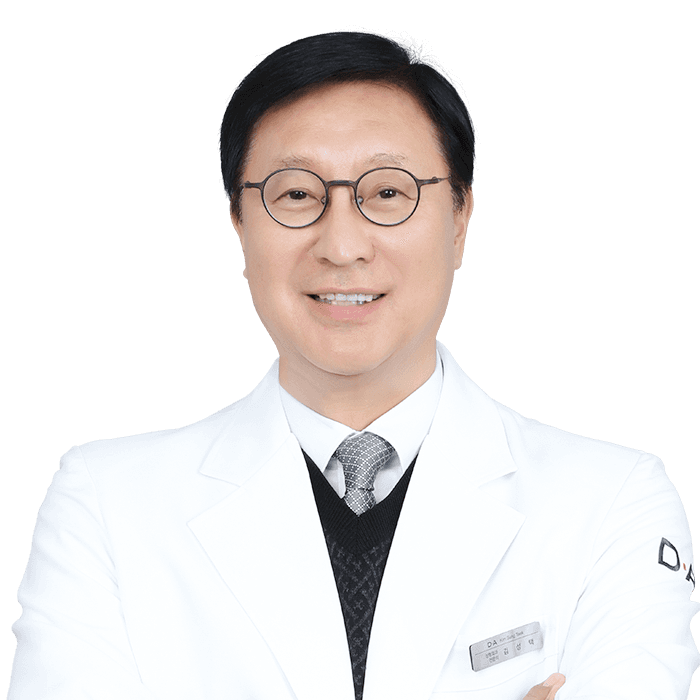
キム・ソンテク
美容外科
- 大韓整形外科学会 終身会員
- 大韓整形外科医師会 正会員
- 大韓美容整形外科学会 正会員
- 大韓頭蓋顔面整形外科学会 正会員
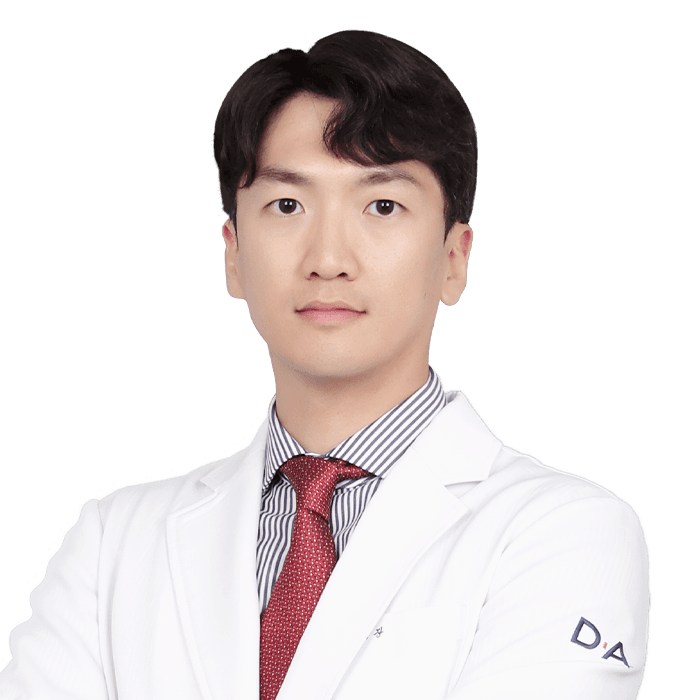
キム・ジンビン
美容外科
- 大韓整形外科学会 終身会員
- 大韓美容整形外科学会 正会員
- (前)ジュノ整形外科 院長
- (前)ソウル・ヨジョン整形外科 院長
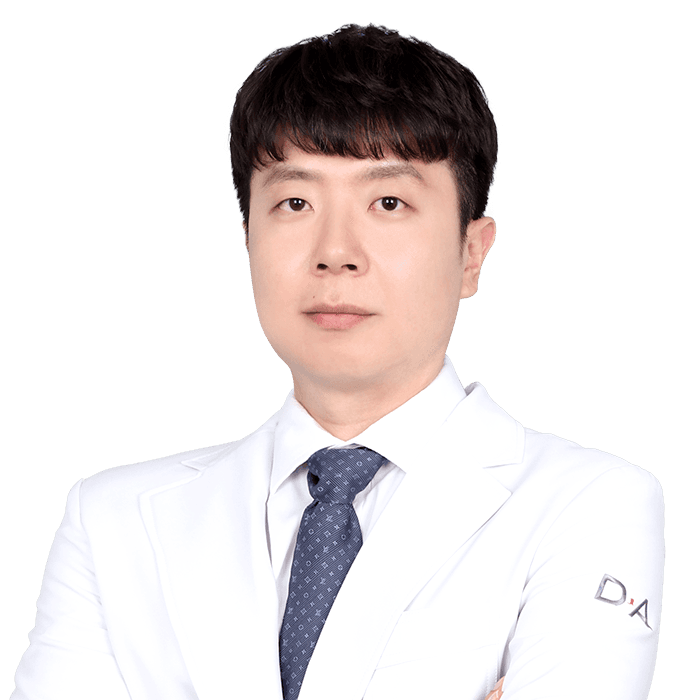
キム・テギ
美容外科
- 大韓整形外科 正会員
- 大韓美容整形外科学会 正会員
- 大韓頭蓋顔面整形外科学会 正会員
- (前)ジュノ整形外科 院長
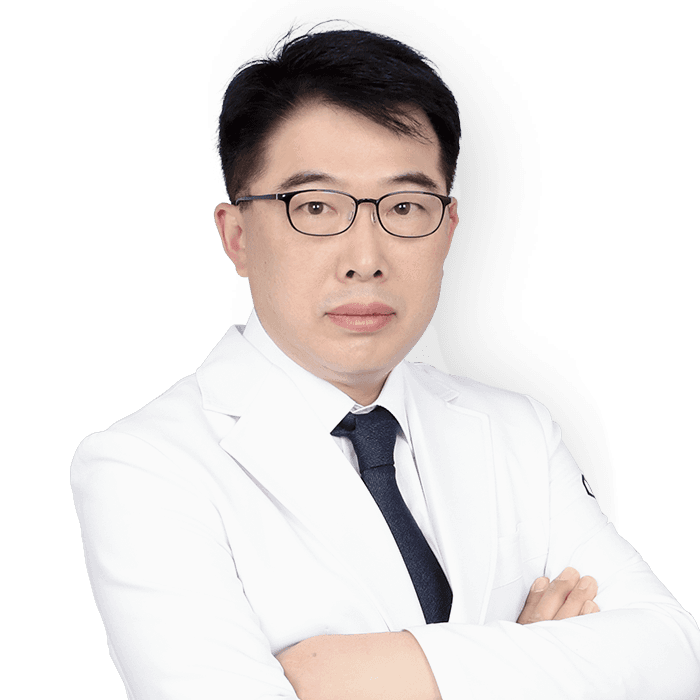
ナム・ドンウ
美容外科
- 大韓整形外科学会 終身会員
- 大韓美容整形外科学会 正会員
- 国際美容整形学会(ISAPS) 正会員
- (前)BK整形外科 院長
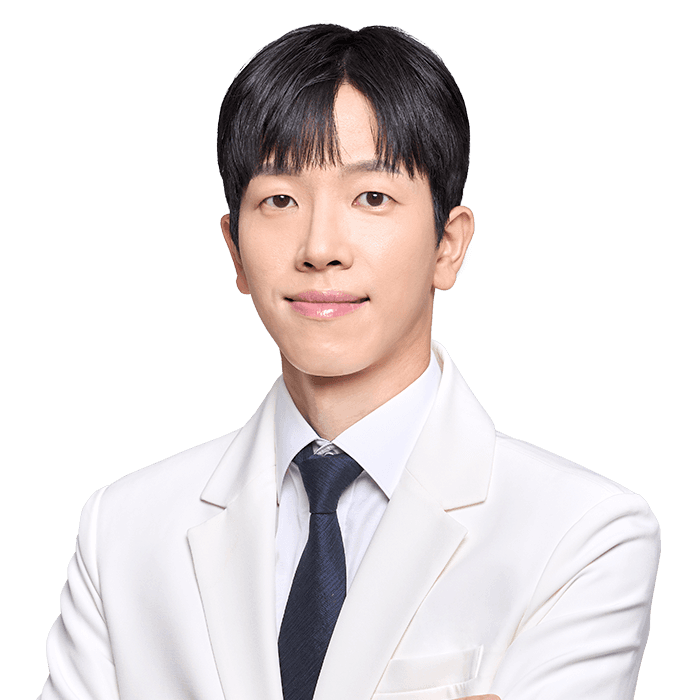
ユ・ウサン
美容外科
- 大韓整形外科 正会員
- 大韓美容整形外科学会 正会員
- 教育部 青少年キャリアプランニング メンター
- (前)自然主義整形外科 院長
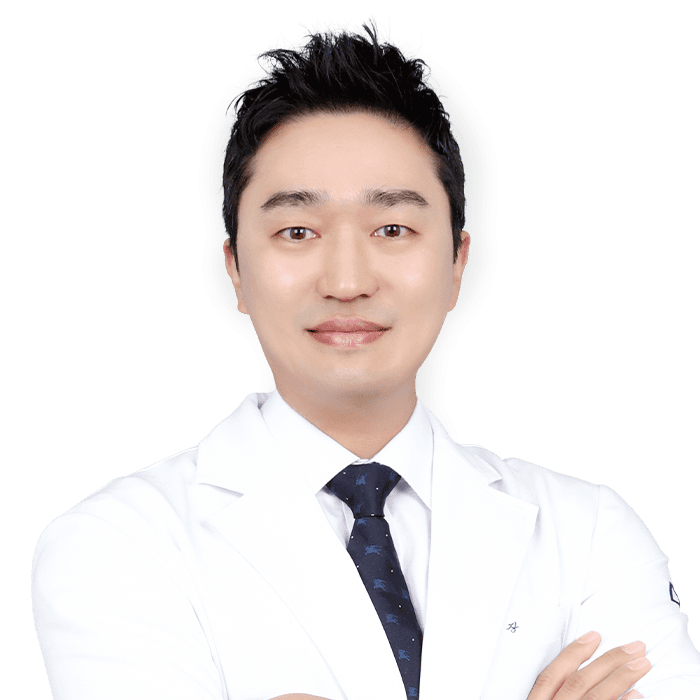
パク・ミンソク
美容外科
- 大韓整形外科学会 終身会員
- 大韓美容整形外科学会 正会員
- 大韓整形外科医師会 正会員
- 上渓白病院 臨床外来教授
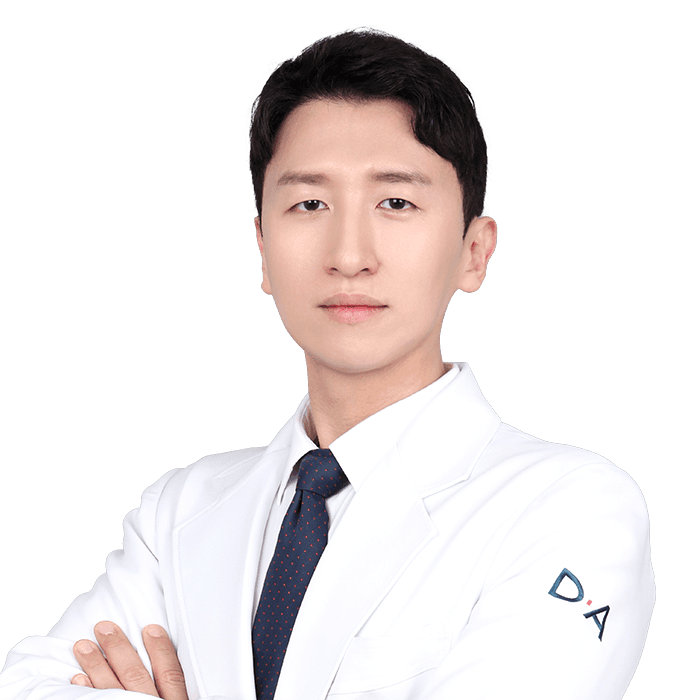
パク・ジヌ
美容外科
- 大韓整形外科 終身会員
- 大韓美容整形外科学会 正会員
- 延世大学セブランス病院整形外科 修了
- UNC Medical Center 整形外科 研修
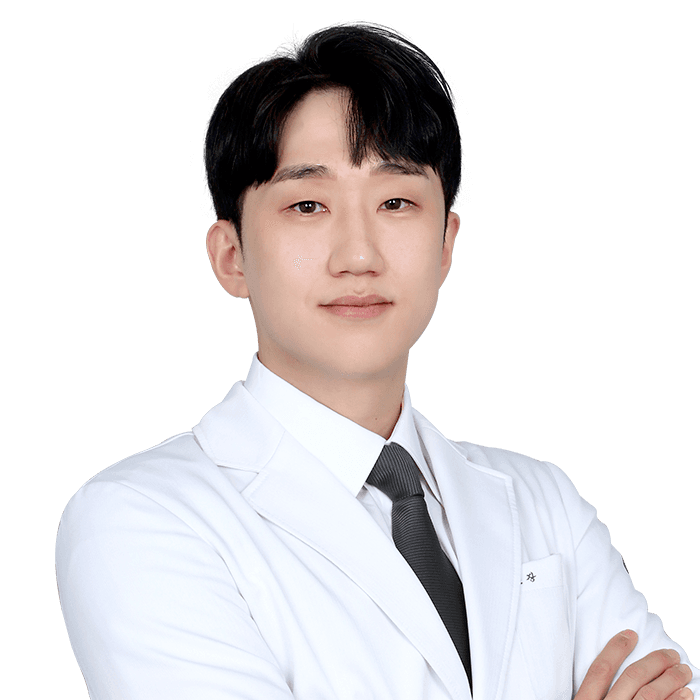
ペ・ジェヨン
美容外科
- 延世セブランス病院整形外科 専門医研修
- 延世セブランス病院 専門医(臨床講師)
- 大韓整形外科学会 終身会員
- 大韓美容整形外科学会 正会員
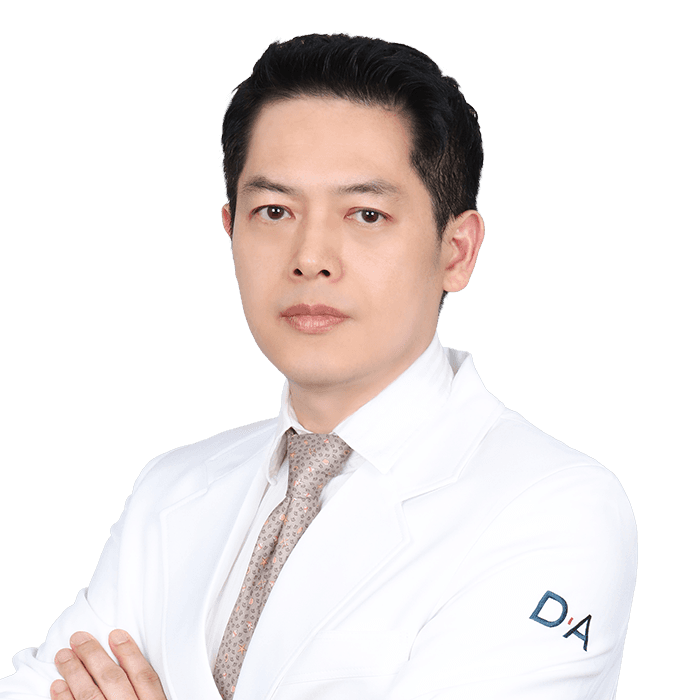
ソ・サンフン
美容外科
- 大韓整形外科学会 正会員
- 大韓美容整形外科学会 正会員
- 大韓整形外科医師会 正会員
- (前)キリム整形外科
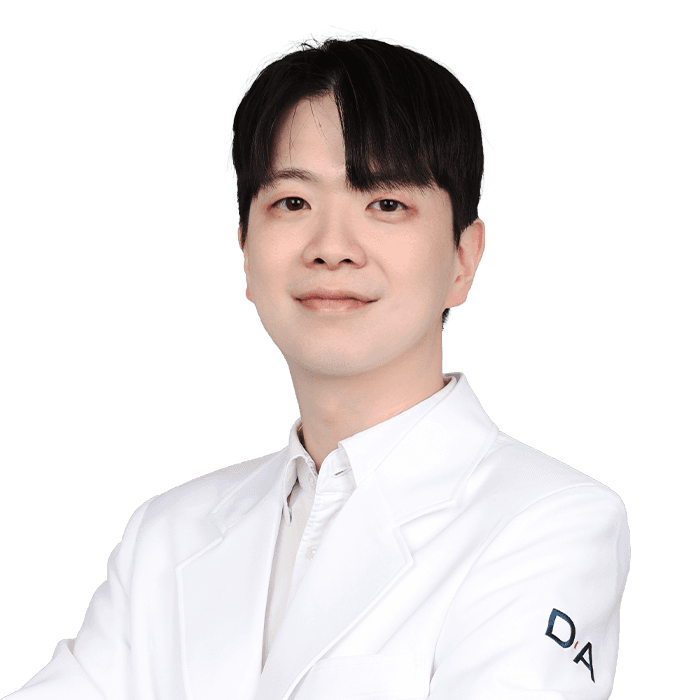
ヤン・ヒジェ
美容外科
- 大韓整形外科学会 終身会員
- 大韓美容整形外科学会 正会員
- (前)アイミ整形医院 院長
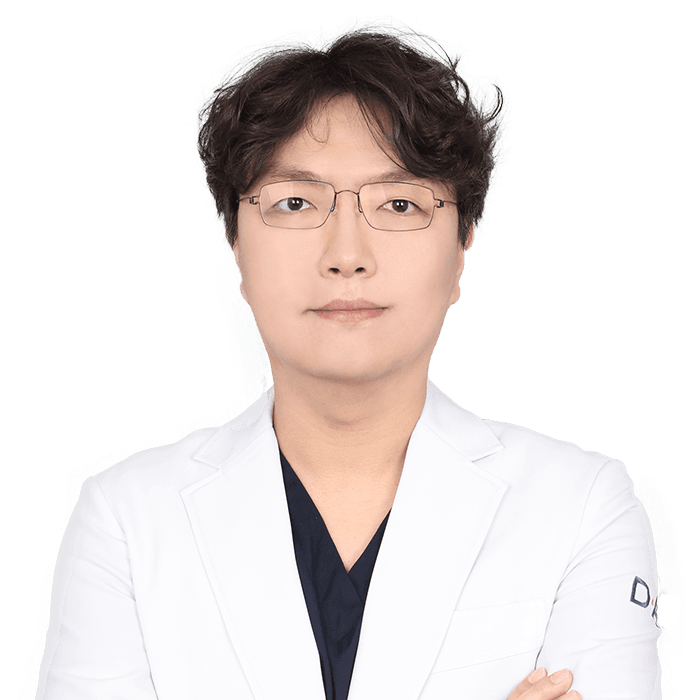
ユ・ヨンソン
美容外科
- 大韓整形外科学会 正会員
- 大韓美容整形科学 正会員
- 大韓整形学会 眼部整形研究会 正会員
- 大韓整形学会 鼻整形研究会 正会員
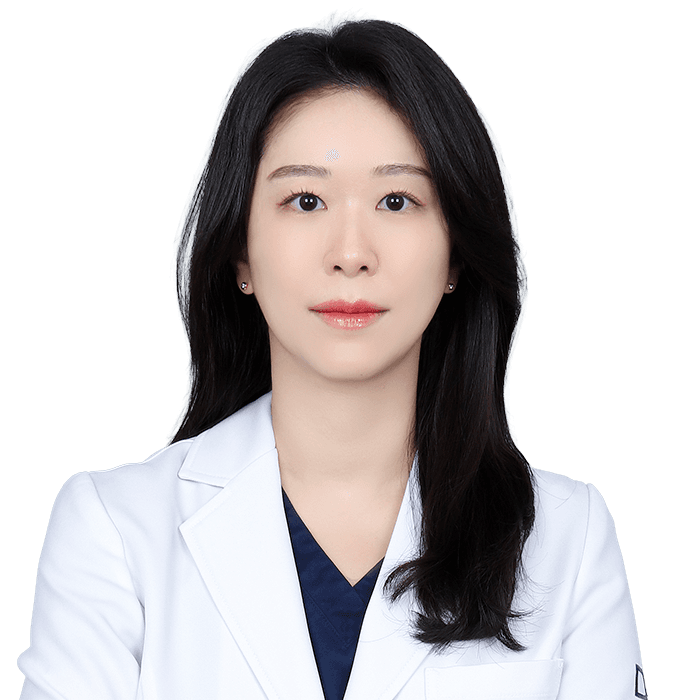
ユ・ヒョギョン
美容外科
- ソウル大学医学部 博士課程修了
- ソウル大学病院整形外科 専任医
- 大韓整形外科学会 正会員
- 大韓美容整形外科学会 正会員
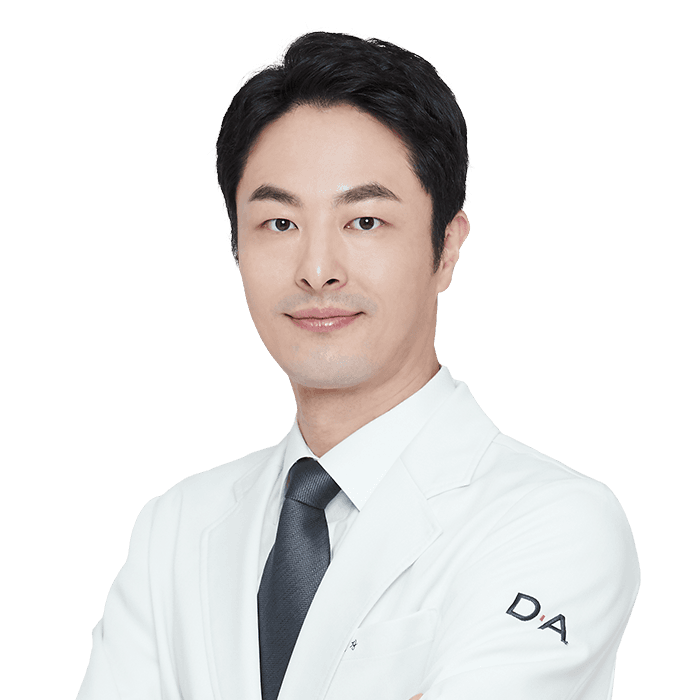
イ・ドンチャン
美容外科
- ソウル大学病院整形外科 修了
- 大韓整形外科医師会 正会員
- 大韓整形外科学会 終身会員
- 大韓美容整形外科学会 正会員
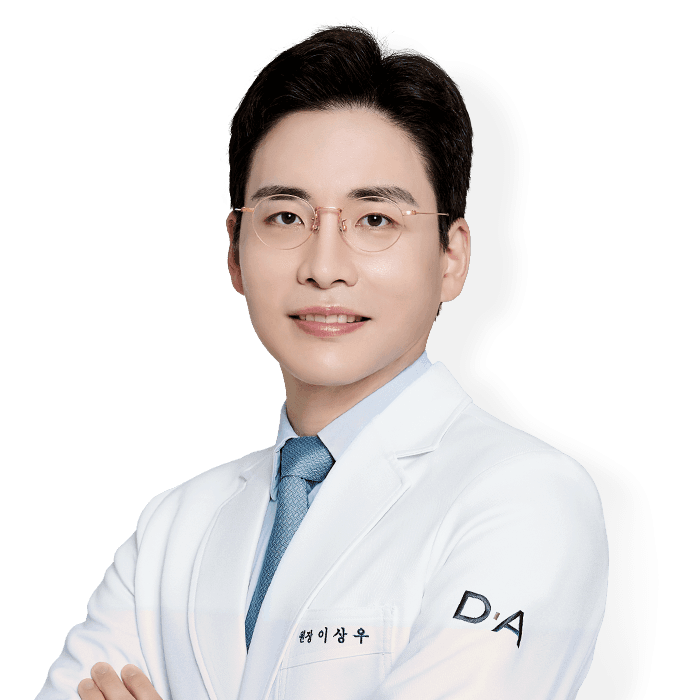
イ・サンウ
美容外科
- ソウル大学病院整形外科 兼任教授
- ソウル大学医学研究所 博士
- 大韓整形外科学会 終身会員
- 大韓顎顔面輪郭整形研究会 会員
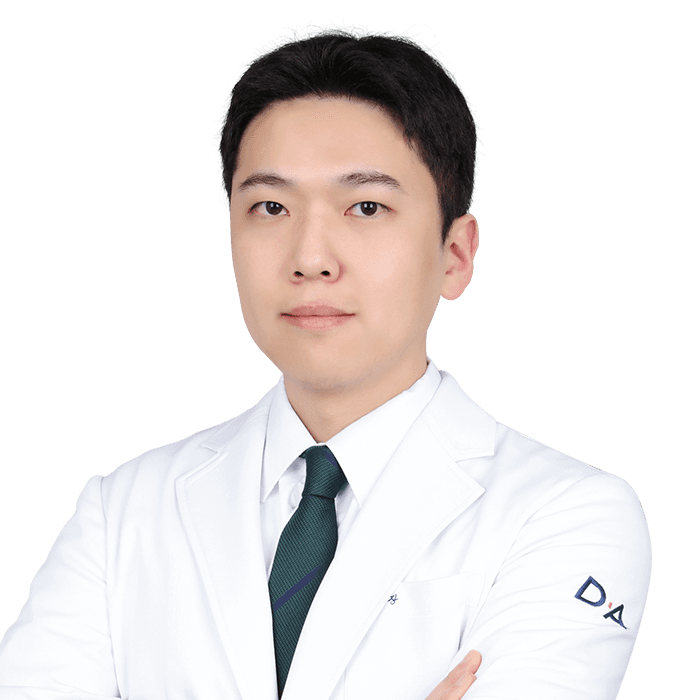
イ・ソンジュ
美容外科
- 大韓整形外科学会 終身会員
- 大韓美容整形外科学会 正会員
- 大韓頭蓋顔面整形外科学会 正会員
- 大韓整形外科医学会 正会員
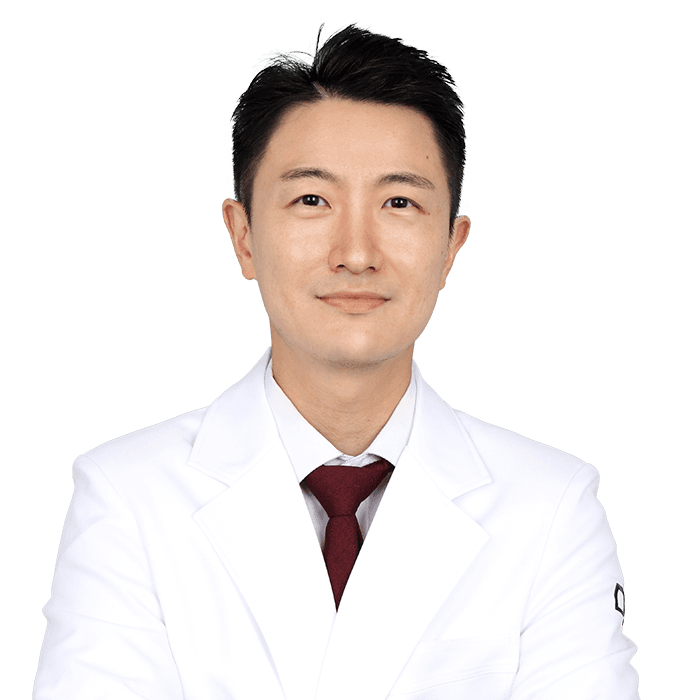
イ・ユンファン
美容外科
- 高麗大学医科大学整形外科 外来教授
- 高麗大学医科大学整形外科学 博士
- 大韓整形外科学会 終身会員
- 大韓美容整形外科学会 正会員
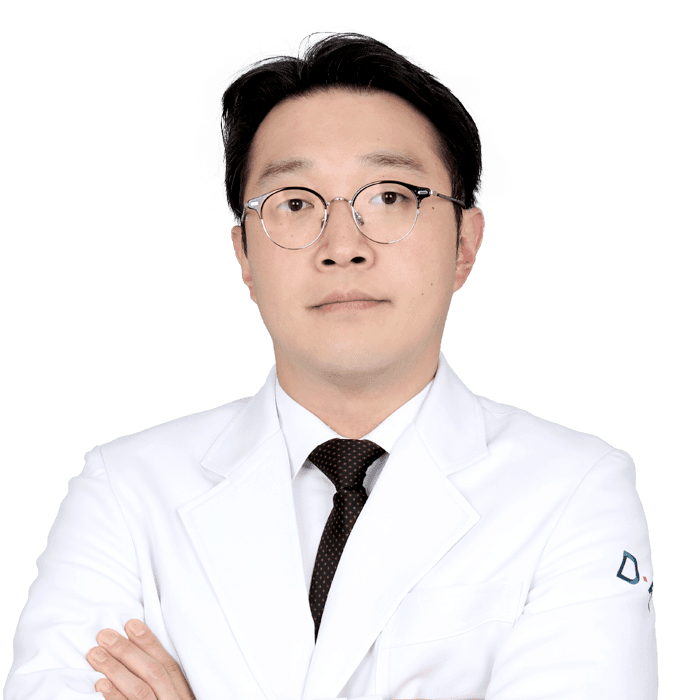
イ・ジェヒョン
美容外科
- 漢陽大学医療院整形外科 修了
- 大韓整形外科学会 正会員
- 大韓整形外科医師協会 正会員
- 大韓美容整形外科学会 正会員
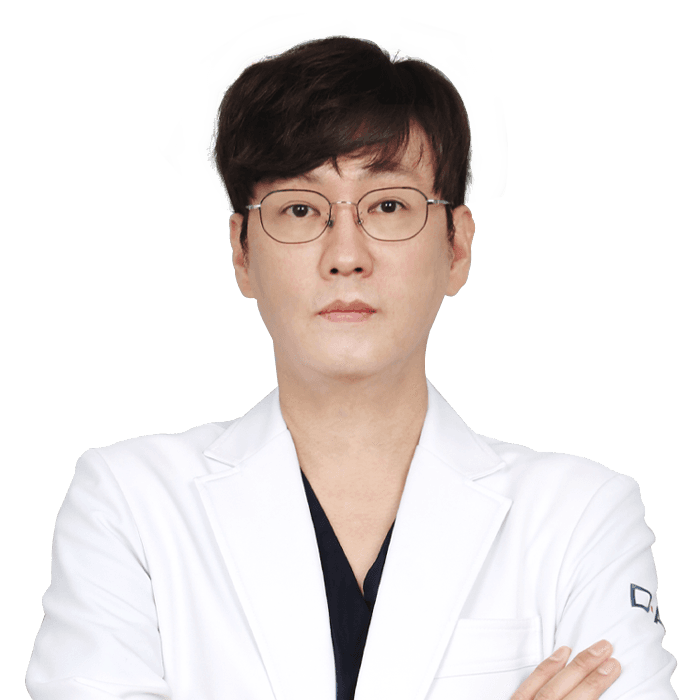
チャン・ジュユン
美容外科
- ソウル大学病院整形外科 専任医
- ソウル大学盆唐病院整形外科 顧問
- 大韓整形外科学会 終身会員
- 米国整形外科学会(ASPS) 国際会員
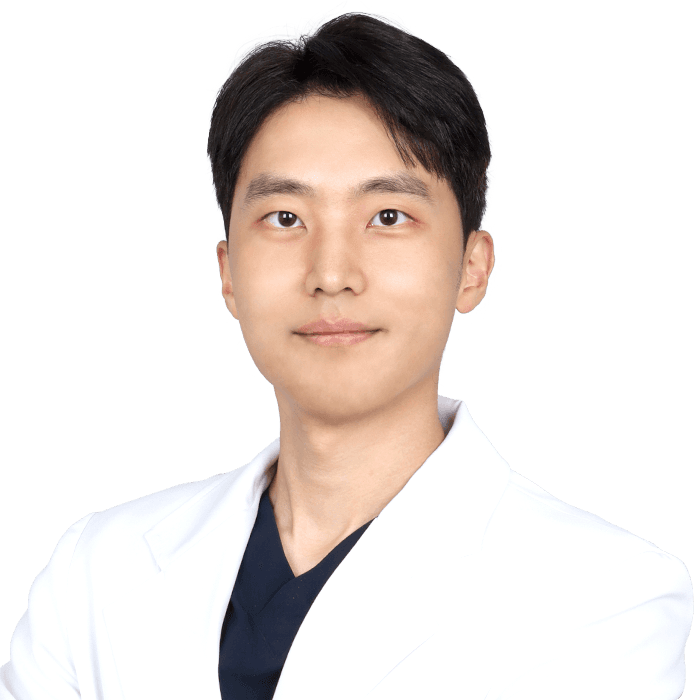
チョン・ジェフン
美容外科
- 韓国・成均館大学医学部 卒業
- サムスンソウル病院整形外科 専門医
- サムスンソウル病院整形外科 外来教授
- 大韓整形外科学会 終身会員
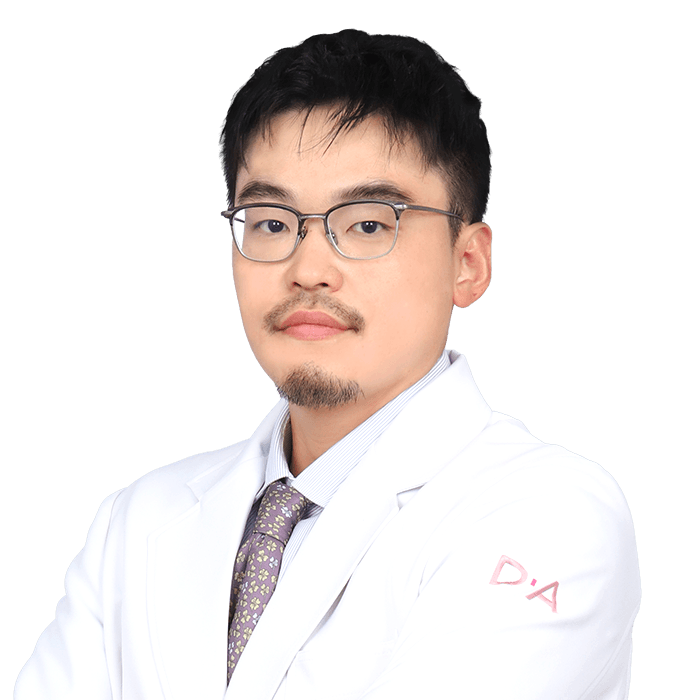
チョ・ヨンフ
美容外科
- 亜洲大学医学部および同大学院 卒業
- 亜洲大学整形外科 顧問医・客員教授
- 大韓整形外科学会 終身会員
- 大韓美容整形外科学会 正会員
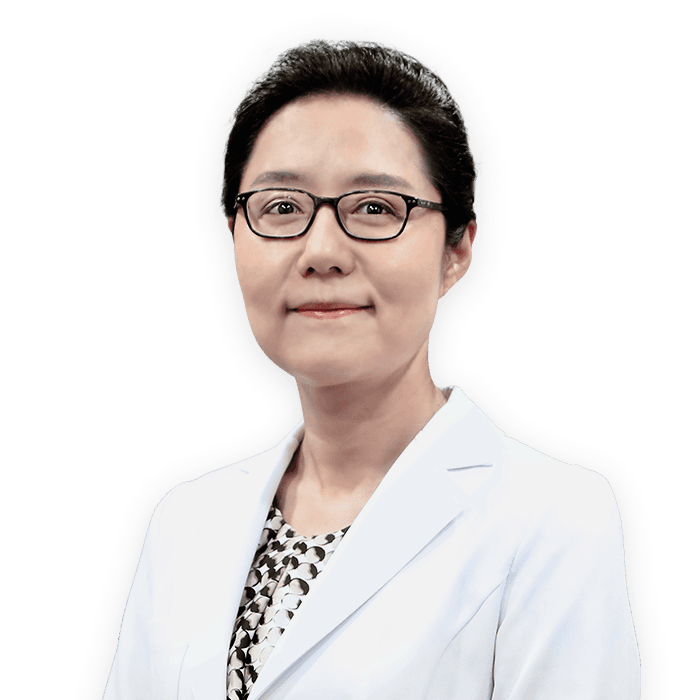
キム・ユンジョン
耳鼻咽喉科
- 大韓耳鼻咽喉科学会 正会員
- 大韓鼻科学会 正会員
- 大韓顔面整形再建学会 正会員
- (前)梨大木洞病院耳鼻咽喉科 外来教授
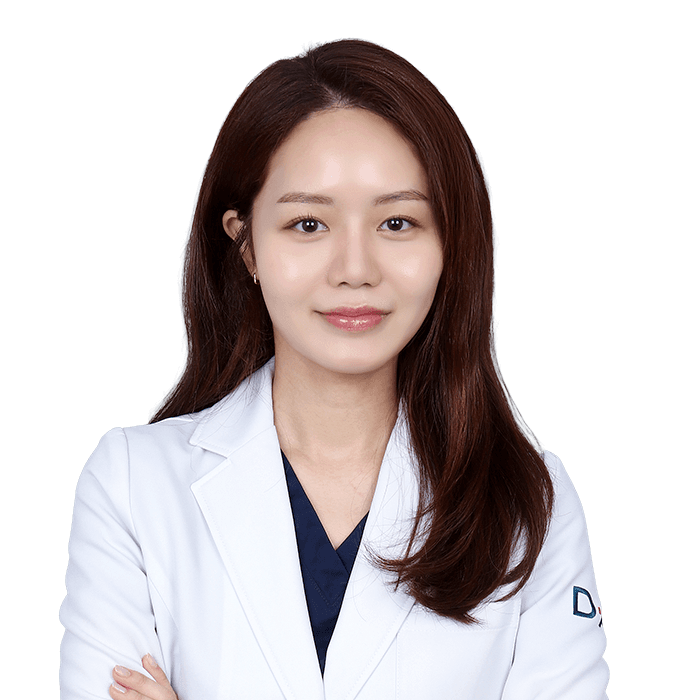
ムン・ソジン
耳鼻咽喉科
- 延世大学医学部 卒業
- 延世大学医学部 龍仁セブランス病院耳鼻咽喉科 教授
- セブランス病院耳鼻咽喉科 専門医・臨床講師 修了
- 大韓顔面整形再建学会 正会員
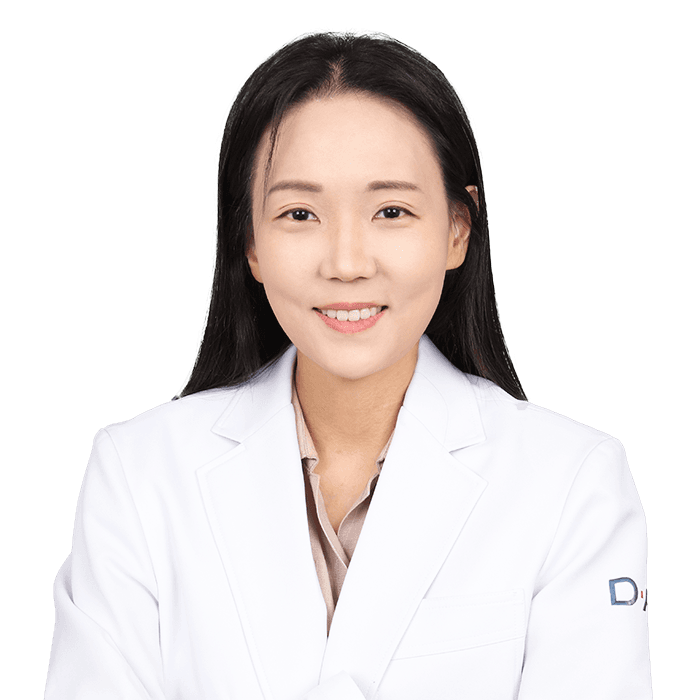
シン・ユジン
外科・内科
- 高麗大学医学部大学院 修士
- ソウル大学内科学 博士課程修了
- 盆唐ソウル大学病院内科 専門医
- 盆唐ソウル大学病院内分泌内科 専門医
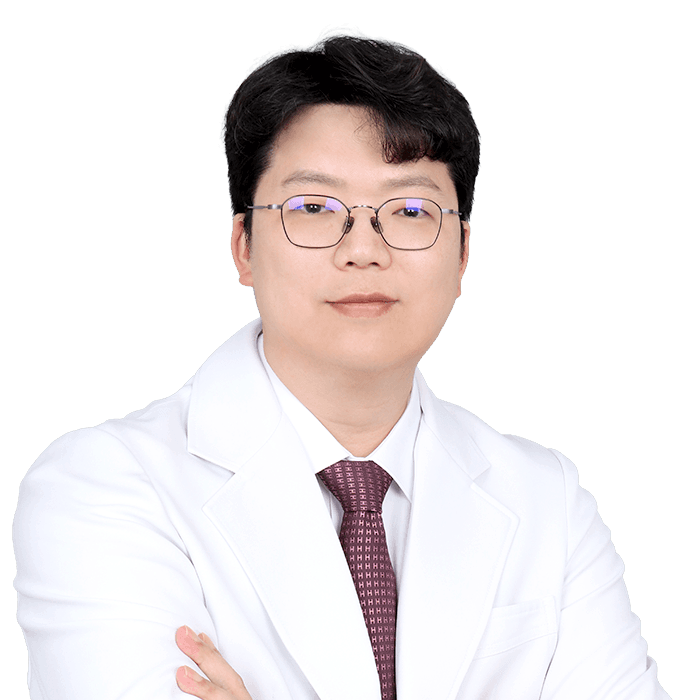
キム・ドンヒョン
皮膚科
- サムスン第一病院 専門医
- 韓国皮膚肥満整形学会 学術理事
- アラガン ボトックス 相談医
- (前)Toxnfill皮膚科 弘大新村店 代表院長
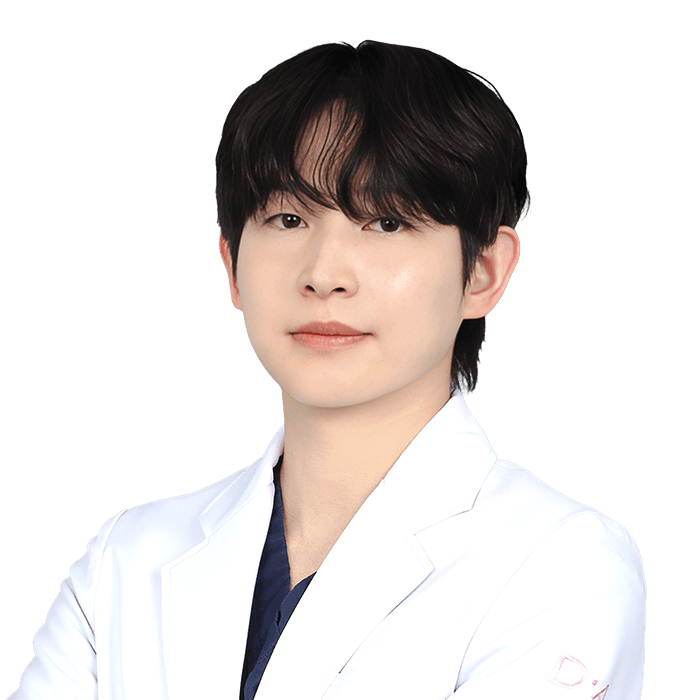
キム・ドンフン
皮膚科
- 大韓リフティング学会 正会員
- 大韓ヒアルロン酸フィラー学会 正会員
- (前)Onlif整形外科 院長
- (前)pangpang医院 院長
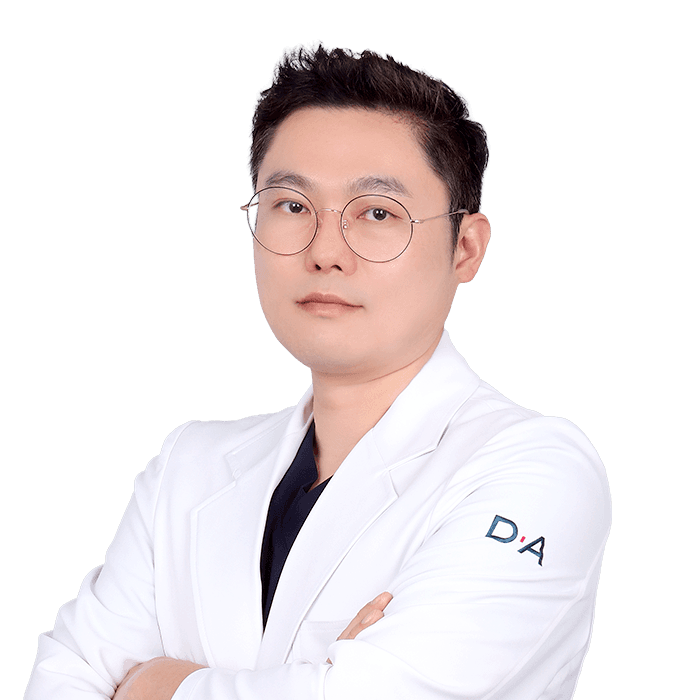
キム・ジェハン
皮膚科
- 大韓美容整形外科学会 正会員
- 大韓リフティング学会 正会員
- 大韓抗老化研究学会 正会員
- (前)清潭ジュニス 代表院長
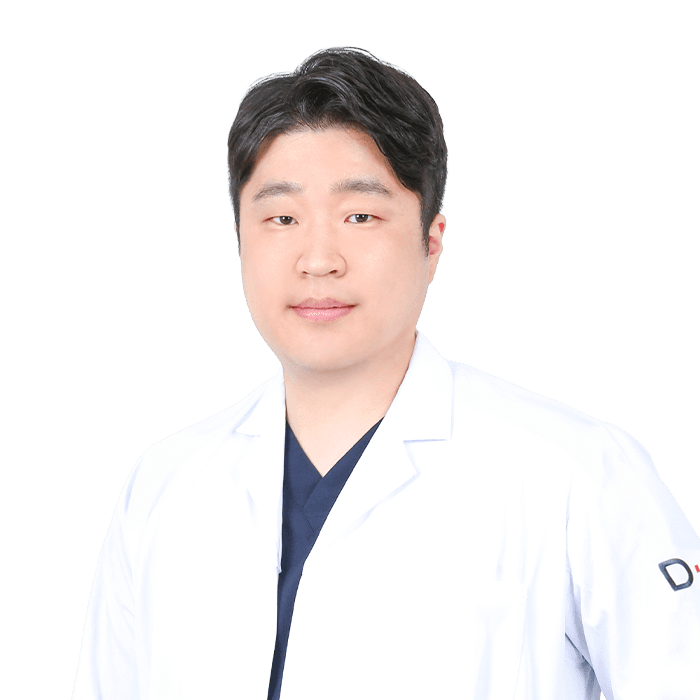
チェ・ヒョンミン
皮膚科
- 米国セントルイス・ワシントン大学 卒業
- カトリック大学医学専門大学院 卒業
- 延世セブランス病院外科 専門医課程 修了
- (前)Yaan Clinic 院長
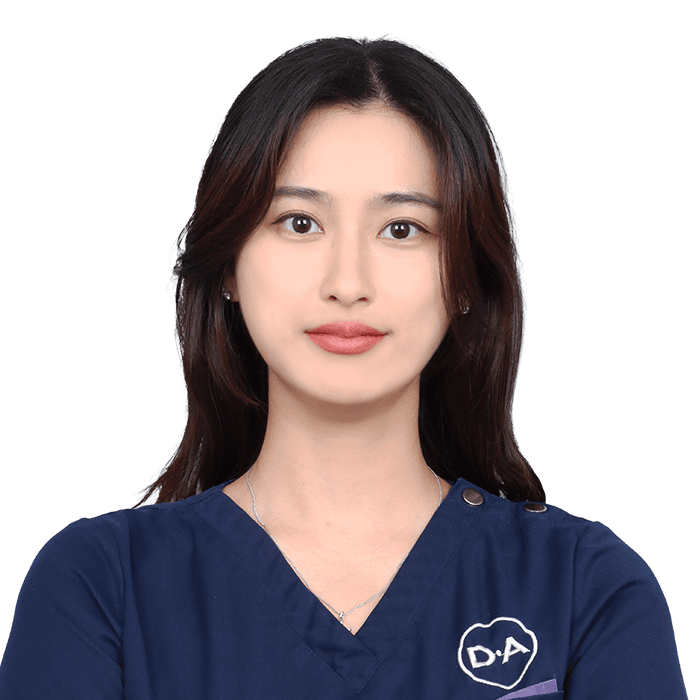
クォン・ジナ
麻酔科・ペインクリニック
- ソウル大学病院麻酔疼痛医学科 専門医
- 大韓麻酔疼痛医学会 正会員
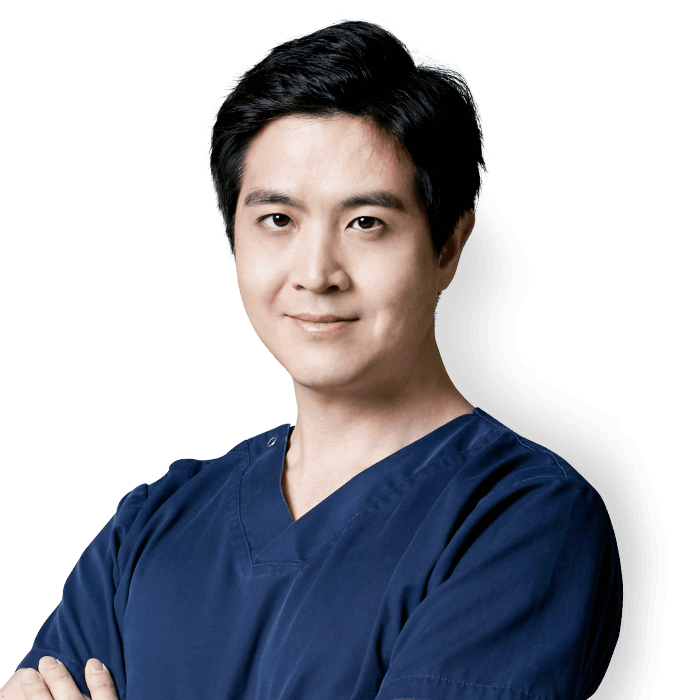
キム・ソンファン
麻酔科・ペインクリニック
- ソウル大学病院 研修医
- ソウル大学病院 専門医
- 大韓麻酔疼痛医学会 正会員
- 大韓重症医学会 正会員
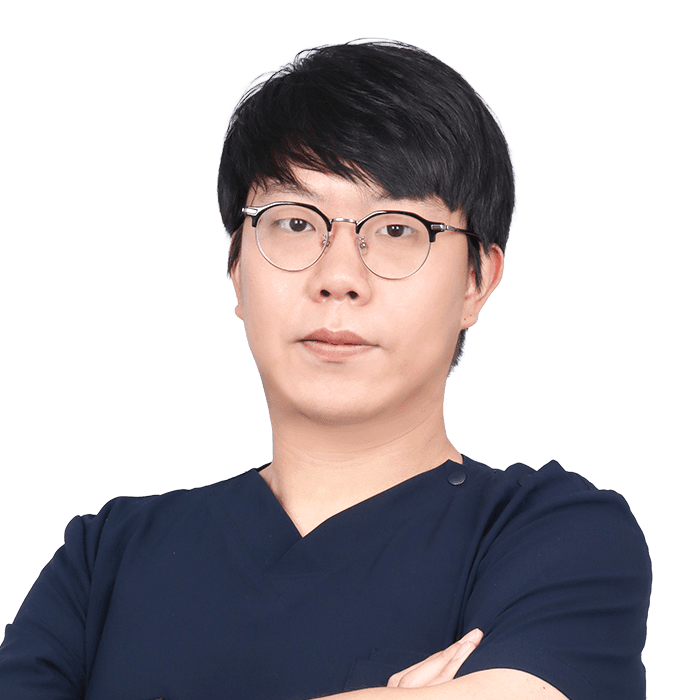
パク・ドンヒョク
麻酔科・ペインクリニック
- ソウル大学病院麻酔疼痛医学科 専門医
- 大韓麻酔疼痛医学会 正会員
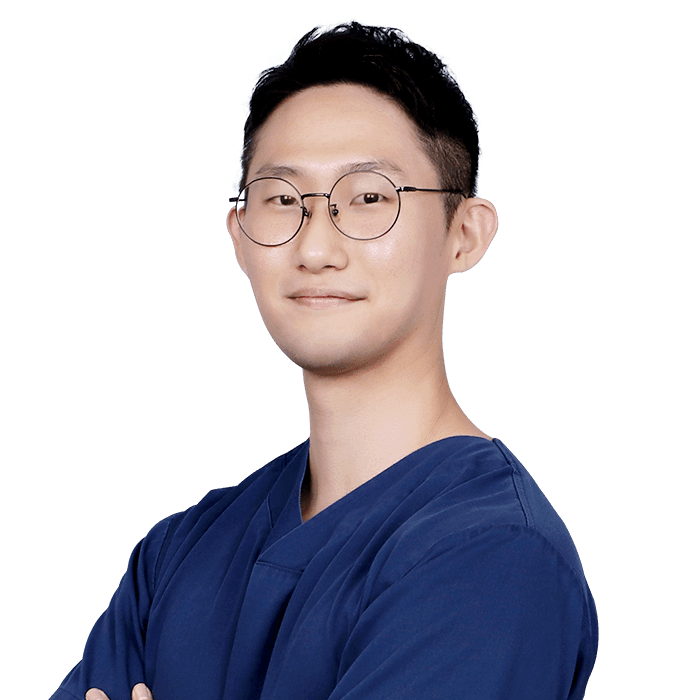
ソ・ミンガン
麻酔科・ペインクリニック
- ソウル大学病院麻酔疼痛医学科 専門医
- 大韓麻酔疼痛医学会 正会員
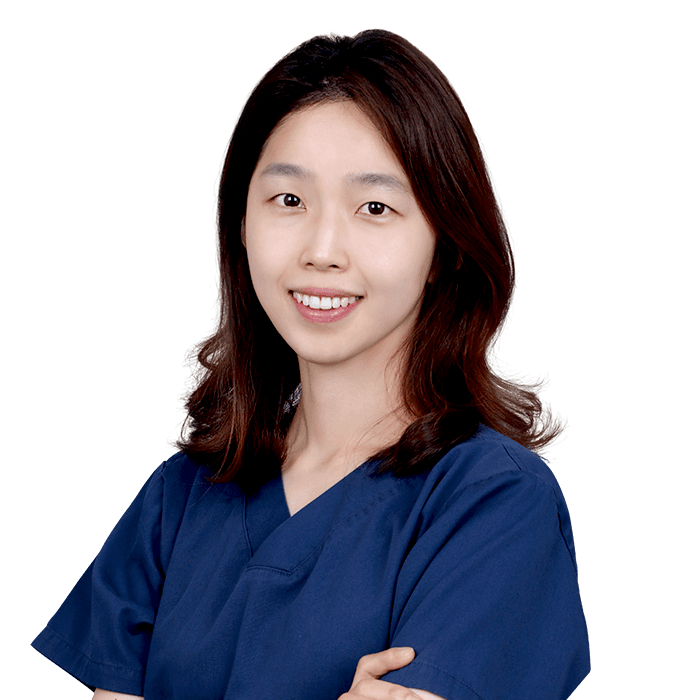
ヤン・ヘモ
麻酔科・ペインクリニック
- ソウル大学病院麻酔疼痛医学科 専門医
- 大韓麻酔疼痛医学会 正会員
- 大韓疼痛学会 正会員
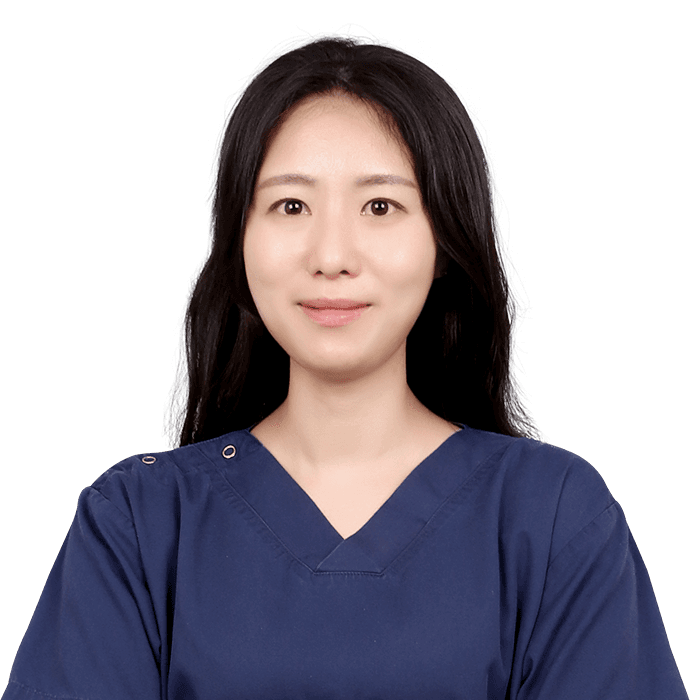
イ・ミスク
麻酔科・ペインクリニック
- 成均館大学医学部 江北サムスン病院麻酔疼痛医学科 専門医
- 大韓麻酔疼痛医学会 正会員
- 大韓疼痛学会 正会員
- 大韓心肺麻酔学会 正会員
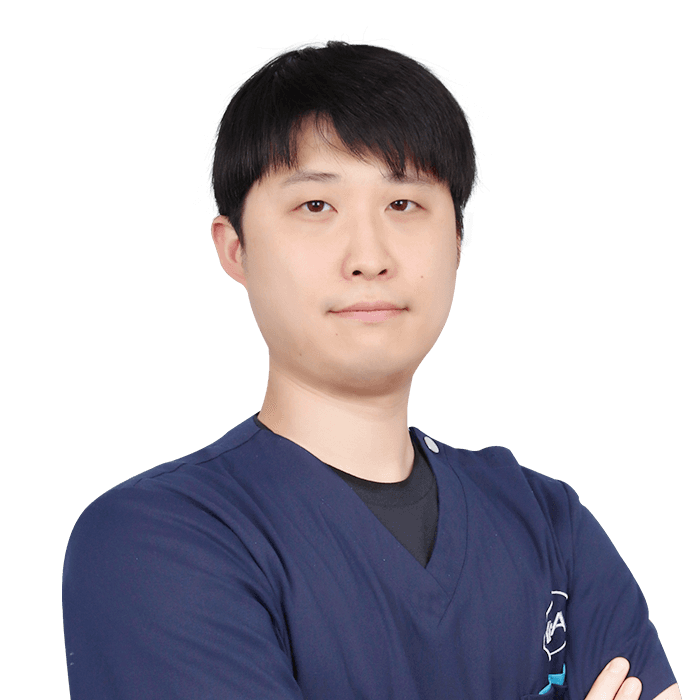
チョ・ドンウォン
麻酔科・ペインクリニック
- ソウル大学病院麻酔疼痛医学科 臨床講師・診療教授
- 大韓麻酔疼痛医学会 正会員
- 大韓疼痛学会 正会員
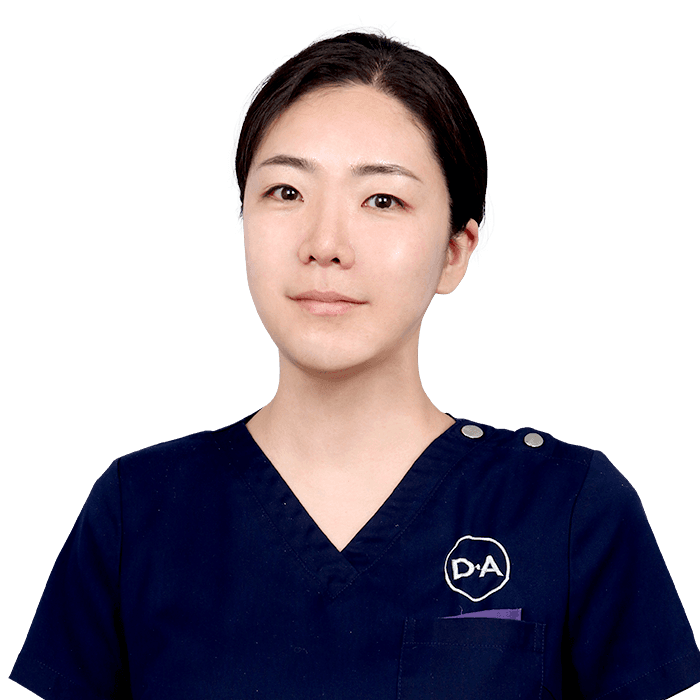
チュ・ジヨン
麻酔科・ペインクリニック
- 盆唐ソウル大学病院 麻酔疼痛 フェロー
- 大韓麻酔疼痛医学会 正会員
- 大韓疼痛学会 正会員
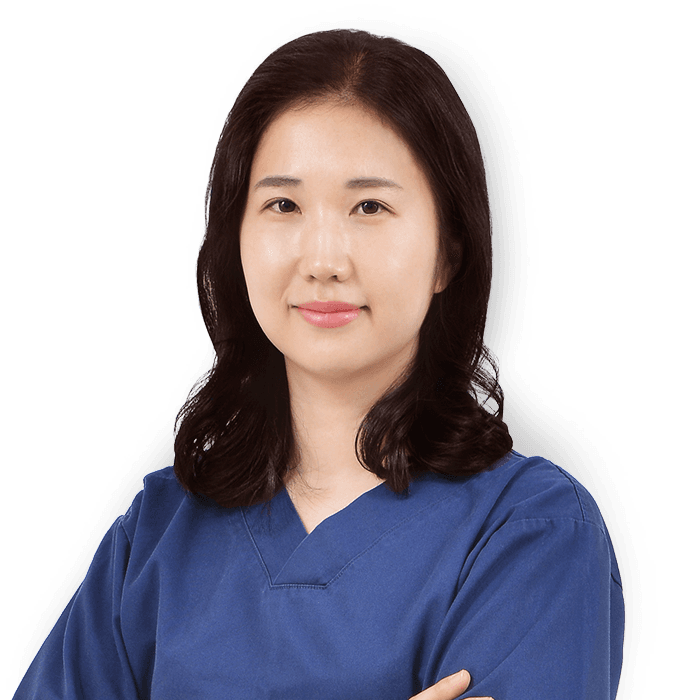
チェ・ヒョンジョン
麻酔科・ペインクリニック
- 盆唐ソウル大学病院麻酔疼痛医学科 専任医
- 盆唐ソウル大学病院麻酔疼痛医学科 外来教授
- 大韓麻酔疼痛医学会 正会員
- 大韓疼痛学会 正会員